
How To Choose A Wedding Dress
📖 Table of Contents
The first time I tried on a wedding dress, I was 18, standing in a boutique that smelled like old lace and expensive perfume. I remember the feeling of the fabric brushing against my skin, the way the light from the window caught the sequins on the back of the dress. How the mirror showed me a version of myself I’d never seen before — tall, confident, and ready. Choosing a wedding dress isn’t just about aesthetics; it’s about finding a piece that reflects your personality and makes you feel like the most beautiful version of yourself on the day you say ‘I do.’[1]
I’ve walked through countless boutiques over the past decade, and each time, I’ve learned something new about how to choose a wedding dress that feels right. Whether you're looking for something classic and elegant, modern and bold, or something entirely unique, the process is as personal as the dress itself. It's not just about looking good — it's about feeling good in the skin you're in, on the day that matters most.
Choosing a wedding dress can be overwhelming. There are so many options, styles, fabrics, and silhouettes to consider, and it’s easy to feel lost in the process. But with a little preparation, a clear vision. A bit of self-compassion, you can find the dress that makes you feel like the star of your own story — and that’s exactly how it should be.
Why You'll Love This Guide to Choosing a Wedding Dress
- Clear, actionable steps to help you narrow down your options and find a dress that fits your style and budget.
- Real-life insights from someone who’s walked through the process and knows the tricks of the trade.
- Tips for avoiding common pitfalls and making the best decisions for your big day.
- A comprehensive overview of the key factors to consider when choosing a wedding dress.
Start With Your Vision
As of September 2026, your wedding dress should be a reflection of who you are and what you want your wedding day to look like. Do you imagine a lace-covered gown with a long train, or something simple and modern with a minimalist silhouette? Start by creating a mood board or writing down your thoughts — this will help you stay focused and avoid getting overwhelmed by too many choices.
I always recommend taking photos of dresses you love and saving them in a folder. This gives you a visual guide to refer back to when you're in the store. It also helps you identify patterns, colors, and styles that resonate with you, making the decision-making process faster and easier.
Setting a budget is also an important step in the process. Wedding dresses can range from $300 to over $10,000, and it’s easy to get carried away with the most beautiful dress you see. However, knowing your limits in advance can help you focus on options that fit your vision and financial plan.[2]
Gather images, colors, and textures that inspire you and keep them in a dedicated folder. This will help you stay on track when you're in the store.
Try On More Than You Think You Need
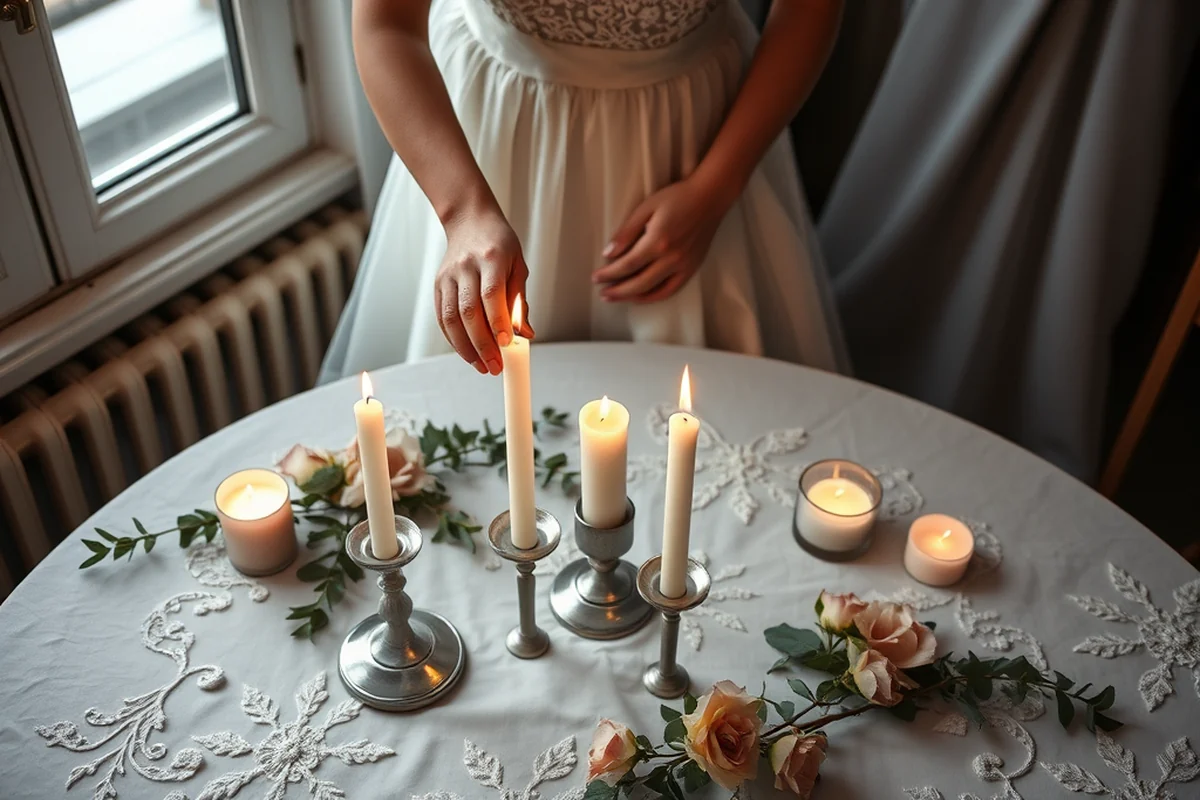
I've learned the hard way that sometimes the dress you love on the rack looks completely different when you try it on. Don't be afraid to explore different styles — even if you're set on a particular silhouette, trying on a few variations can help you find the one that fits perfectly and feels right.
Boutiques often have a range of samples, and some even offer custom alterations. It's a good idea to try on at least 10 different dresses, even if you're not sure you'll like them. You might be surprised by what works best on your body type and how you feel in certain fabrics.
Remember, trying on more dresses doesn't mean you have to buy more. It just means you're giving yourself a better chance to find the dress that truly makes you feel like the best version of yourself.
Don’t limit yourself — the right dress might not be the one you expected.
Related: How to wedding planner
Consider Your Body Type and Comfort
A dress that looks beautiful on the rack might not be the most comfortable option for you. Think about how you’ll be moving on your wedding day — dancing, walking, and standing for long periods of time. A dress with a high neckline or a snug bodice might restrict your movement, while a more relaxed fit might make you feel less confident.
I’ve found that certain silhouettes flatter specific body types. For example, a mermaid dress can accentuate curves, while a A-line dress can create the illusion of a slimmer figure. However, it’s important to remember that fashion is about self-expression, and there are no strict rules.
Your comfort should be your priority. If a dress makes you feel self-conscious or uncomfortable, it’s not the right choice — no matter how beautiful it looks.
Walk around in the dress, sit down, and even dance in it if possible. This will help you determine if it’s comfortable for the long day ahead.
“The first time I tried on a wedding dress, I was 18, standing in a boutique that smelled like old lace and expensive perfume.”— Outdoor Wedding Planning editors
Related: Wedding planning checklist printable
Look Beyond the Hype
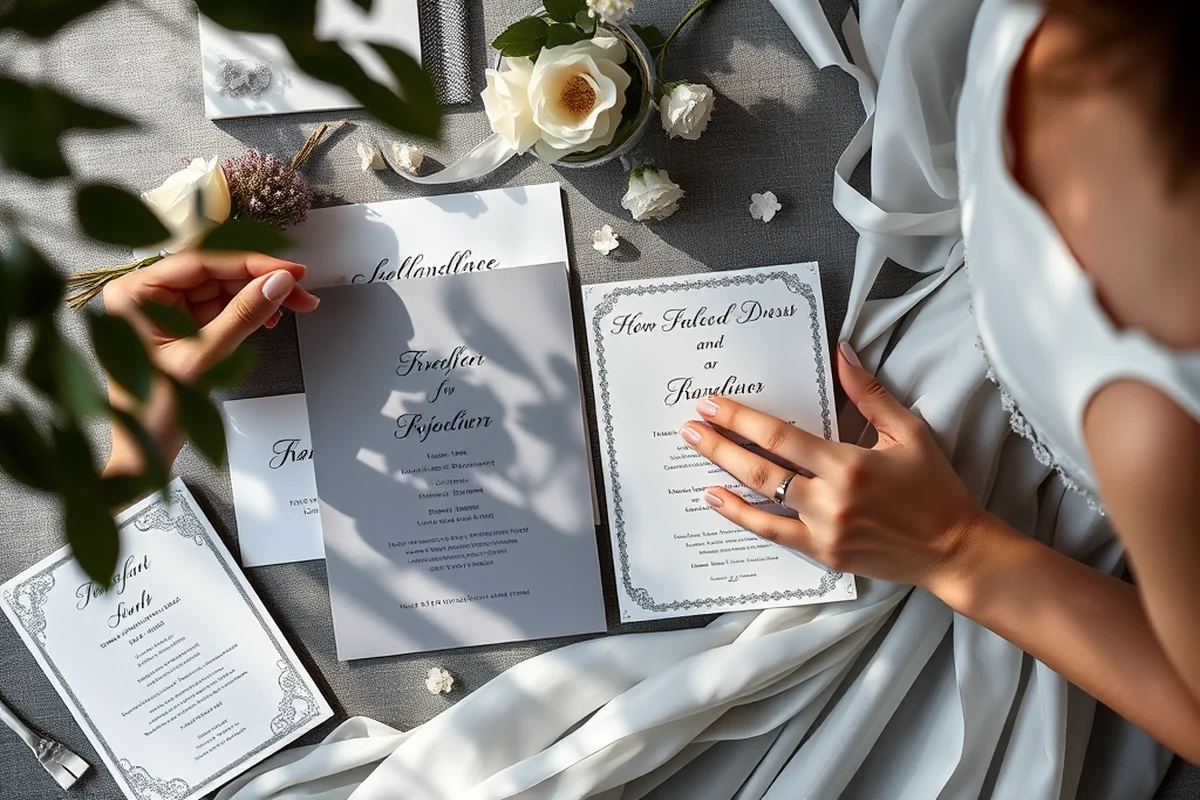
Trends come and go, and while it's fun to be inspired by them, you want a dress that will still look beautiful years from now. A classic silhouette like a ballgown or a sleek mermaid dress can stand the test of time, while a more avant-garde style might feel dated in a few years.
I've seen many brides fall in love with a dress that looks great on the rack, only to find out later that it doesn't suit their body type or personal style. Don’t be swayed by the hype — choose a dress that makes you feel like the best version of yourself.
Your wedding day is about you. Choosing a dress that reflects your personality and makes you feel confident and comfortable is the most important thing.
Related: How to plan for wedding
Don’t Forget the Details
Fabrics like lace, satin, and tulle can dramatically change the look and feel of a dress. Lace is elegant and timeless, while satin gives a more modern, sleek appearance. Tulle is often used for veils and can add a touch of romance to your look.
Embellishments such as sequins, beads, and embroidery can add sparkle and personality to your dress. However, they can also add weight, which might be uncomfortable for long hours of wear. Think about the level of detail that feels right for you.
Don’t forget about the back of the dress — it’s often the most overlooked part, but it can make a big difference in how comfortable and confident you feel. A low back or a dramatic open back can be beautiful, but it’s important to ensure that it’s secure and comfortable.
Related: How to budget for a wedding
Get a Second Opinion
It’s easy to get caught up in your own emotions and preferences when choosing a wedding dress. A second opinion from someone you trust can help you see things you might have missed — like how the dress looks in different lighting or how it fits when you move.
I’ve found that sometimes the people who know you best can offer the most valuable feedback. They might notice how the dress makes you feel or if it fits your body type better than you expected.
However, it's also important to remember that your wedding day is about you. While advice from others can be helpful, the final decision should always be yours.
A second opinion can help you see things you might have missed — but the final choice is always yours.
Related: Outdoor wedding checklist
Trust Your Instincts
There’s something magical about finding the dress that makes you feel like the most beautiful version of yourself. It's not just about how it looks on the mirror — it's about how it makes you feel inside.
I’ve learned that sometimes the dress you love the most might not be the one that everyone else thinks is perfect. It’s about finding something that resonates with you and makes you feel confident, comfortable, and ready to celebrate your love.
Your wedding dress is a reflection of your personality and your love story. Trust your instincts and choose the dress that feels right for you — no matter what anyone else thinks.
💰 Budget-Friendly Wedding Dress
Find a beautiful dress that fits your budget without sacrificing style or quality.
👗 Small-Space Wedding Dress
Choose a dress that’s comfortable and easy to move in, even if you’re in a small venue.
🌿 Outdoor Wedding Dress
Opt for a light, breathable fabric and a silhouette that’s easy to move in for an outdoor celebration.
💃 Grown-Up Version of a Wedding Dress
Select a dress that feels sophisticated and elegant, perfect for a mature bride who wants to shine.
✨ Low-Effort Wedding Dress
Choose a simple, timeless design that requires little effort to style and wear.
| The mistake | Why it happens | The fix |
|---|---|---|
| Trying on too many dresses in one day. | Trying on too many dresses in a short period can lead to fatigue and cloud your judgment, making it harder to choose the right dress. | Limit your try-ons to around 10 dresses per day and take breaks to stay focused and refreshed. |
| Ignoring the fabric and comfort of the dress. | A beautiful dress that makes you uncomfortable or restricts your movement won’t be the right choice for your big day. | Test the dress by moving, sitting, and even dancing in it to ensure it feels comfortable and fits well. |
| Rushing the decision. | Making a rushed decision can lead to regret, especially if you don’t feel confident or comfortable in the dress. | Take your time, explore different options, and don’t feel pressured to choose a dress on the spot. |
How To Choose A Wedding Dress
Common Questions
How long should I spend looking for my wedding dress?
What should I wear when trying on a wedding dress?
Can I bring someone with me to try on dresses?
Is it okay to change my mind after I’ve chosen a dress?
References
- Gender norms and social norms: differences, similarities and ... - PMC (pmc.ncbi.nlm.nih.gov)
- A Financial Empowerment Toolkit for Workers (files.consumerfinance.gov)
Cite this guide
Outdoor Wedding Planning (2026). How To Choose A Wedding Dress. https://eventwalks.com/how-to-choose-a-wedding-dress/
Feel free to cite or share this guide.