
Outdoor Event Planning Checklist
📖 Table of Contents
I remember the first time I hosted a small outdoor gathering on my backyard patio. The sun was low in the sky, casting a golden hue over the string lights I had painstakingly hung the night before. What started as a simple idea to bring friends together quickly turned into a chaotic mess of forgotten details: no backup plan for the rain, no way to keep the drinks cold. No clear layout for the seating. That night, I learned a hard lesson about the importance of an outdoor event planning checklist. It’s not just about looking good — it’s about ensuring every detail is covered so you can enjoy the moment, not stress over it.[1]
When planning an outdoor event, it’s easy to get caught up in the romanticized version of the perfect picnic or backyard party. But behind the scenes, there’s a lot of work that goes into making sure everything runs smoothly. Whether you’re hosting a summer barbecue, a wedding reception, or a small family reunion, an outdoor event planning checklist can be the difference between a successful party and a complete disaster. I’ve been through the process of organizing events in different settings — from a sprawling vineyard to a tiny urban rooftop — and I’ve learned that a well-thought-out checklist is the cornerstone of any great outdoor celebration.[2]
So, if you're like me — someone who wants to make the most of an outdoor event without the headache — this article is for you. I’ll take you through a complete, magazine-quality outdoor event planning checklist that covers everything from the initial vision to the final cleanup. From choosing the right venue and weathering the elements to managing logistics and keeping your guests comfortable, I’ll share real-world insights and practical tips that I've personally tested and refined over the years. Whether you're planning your first outdoor party or your tenth, this checklist will help you stay on track and keep your event unforgettable.
Why You'll Love This Outdoor Event Planning Checklist
- Saves time by streamlining the planning process
- Helps avoid common pitfalls like bad weather or missing supplies
- Ensures every detail is covered for a stress-free event
- Makes it easy to scale your event up or down depending on your needs
Choosing the Right Venue and Setting the Date
As of August 2026, the venue is the foundation of your outdoor event. I learned this the hard way when I once chose a beautiful but overexposed field for a summer party, only to find that the sun was blinding and the temperature was unbearable. Now, I always consider the time of day, the size of the space, and the natural features of the location before finalizing anything. A nearby park with shade, or a backyard with a covered patio, can be a game-changer.
When choosing the date, I always factor in the weather forecast, especially for the days before and after the event. I once hosted a fall festival in early October, but the forecast called for heavy rain. I had no backup plan and had to cancel, which was a huge disappointment. Now, I always book at least two weeks in advance and cross-check the forecast with local weather services. It’s also a good idea to have a contingency plan, like a nearby indoor space, just in case.
I’ve found that checking the venue’s capacity and layout is crucial. I once had a small garden party that turned chaotic when I underestimated the number of guests that the space could accommodate. Now, I always walk through the venue myself and sketch out a rough layout before anything else. It helps me visualize the flow of the event and identify any potential issues ahead of time.
Even the best-looking venue online might not be suitable in person. Walk the space, check for shade, and make sure you can comfortably fit your guests.
Weather Contingency Planning

Weather is the biggest variable in outdoor event planning. I’ve hosted events in both the heat of summer and the chill of early spring, and in both cases, I had to prepare differently. The key is to have a backup plan — whether that’s a canopy, a tent, or a nearby indoor space — just in case the weather takes a turn.
I always carry a portable weather app on my phone and check it twice a day in the weeks leading up to the event. I also have a small emergency kit with items like ponchos, blankets, and extra chairs that can be used in case of rain or cold. I once had a wedding in a field with no shelter, and when it started drizzling, the guests were caught off guard. Now, I always make sure there are at least two options for shelter.
I recommend having a team member or a trusted friend on standby who can help manage the emergency plan if the weather turns bad. This person can coordinate with vendors, assist guests, and ensure that the event continues smoothly even under unexpected conditions.
Be prepared for the weather — it’s the only thing you can’t control.
Related: Outdoor party planning checklist
Related: Outdoor event checklist
Related: Outdoor event setup
Related: Outdoor event examples
Related: Outdoor Wedding Planning Checklist
Related: Princess Cut Engagement Rings
Logistics and Vendor Management
Logistics can make or break your event. From setting up the tables to managing the flow of guests, every detail matters. I once had a party where the setup was delayed because the caterer and the decorator didn’t coordinate their arrival times. It caused a lot of confusion and wasted a lot of time. Now, I always create a detailed timeline and share it with all the vendors involved.
I also make sure to have a point of contact for each vendor. This person can handle any issues that arise and keep the event running smoothly. I’ve found that being clear with vendors about the timeline, the expectations, and the location is essential. I once had a lighting vendor who didn’t know where to set up the equipment. It caused a delay, and the lighting wasn’t even in the right spot.
To avoid confusion, I always double-check the venue’s layout and share it with all the vendors in advance. This helps them understand the space better and prepare accordingly. I’ve found that a well-organized vendor list with contact information and responsibilities can make a huge difference in the success of the event.
A clear timeline ensures everyone knows their responsibilities and helps avoid delays. This is especially important for vendors who need to arrive at specific times.
“I remember the first time I hosted a small outdoor gathering on my backyard patio.”— Outdoor Wedding Planning editors
Guest Comfort and Experience
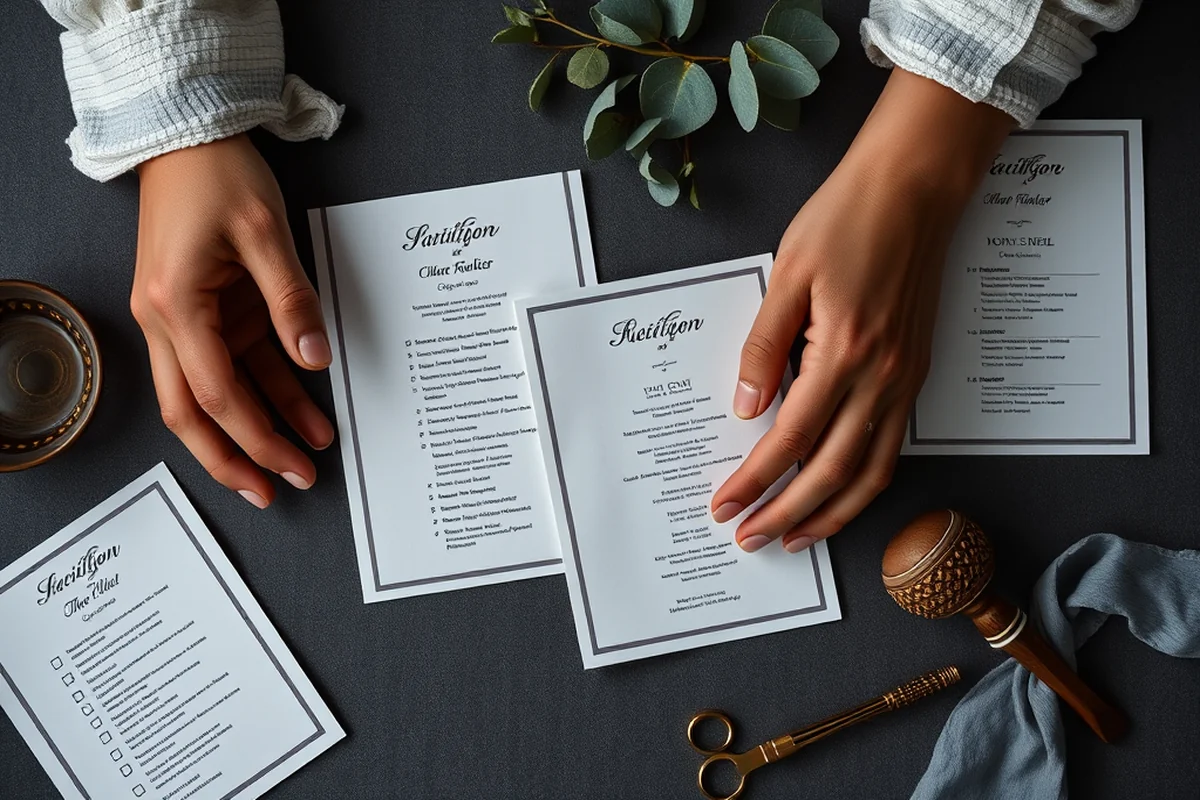
Guest comfort is often overlooked but can make a huge difference in the success of an outdoor event. I once hosted a summer picnic where the only shade was a couple of umbrellas, and the temperature was sweltering. Guests were uncomfortable, and the event didn’t go as planned. Now, I always make sure to provide adequate shade, seating, and cooling options.
I’ve found that having a mix of seating options — from chairs to blankets on the grass — can be a great way to accommodate different preferences. I also always have a small cooler on hand with drinks and snacks, and I make sure to have enough water available for the guests. I once had a festival where the weather was extremely hot, and I provided free ice water to all guests, which was a huge hit.
I also make sure to consider the needs of all my guests. This includes providing accessible seating, ensuring that the event is inclusive, and making sure that there are no hazards in the space that could cause accidents. I’ve found that a little extra effort in this area can go a long way in creating a great guest experience.
Decor and Ambiance
Decor and ambiance can transform an outdoor space into a magical setting. I once had a garden wedding where the only decor was a few fairy lights and a couple of chairs, and it felt too bare. Now, I always plan the decor carefully, considering the setting, the time of day, and the theme of the event.
I’ve found that using natural elements like flowers, plants, and wood can help create a more organic and inviting atmosphere. I also use lighting creatively, whether it’s string lights, lanterns, or candles, to set the right mood. I once had a summer party where I used lanterns to light up the trees, and it created a warm, romantic glow that was unforgettable.
I recommend starting with a color palette and then building around it. I’ve found that using a cohesive color scheme helps tie the space together. I once had a party where I used shades of blue and white to create a beachy vibe, and it was a huge success. I also make sure to have a mix of decor that can be used in different ways, which gives the event more flexibility.
Cleanup and Post-Event Planning
Cleanup is often the most overlooked part of event planning, but it’s just as important as the setup. I once had a wedding where I forgot to arrange for cleanup, and the venue was left in disarray. Now, I always make sure to have a plan for cleanup before the event even starts.
I’ve found that having a team of volunteers or hiring a cleanup crew can make a huge difference. I once hired a local cleanup service for a festival, and they were able to clean up everything quickly and efficiently. I also make sure to have a list of all the materials that need to be cleaned and returned, which helps keep the process organized.
I always leave the venue in better condition than I found it, which is a good way to maintain a positive relationship with the venue. I’ve found that being respectful of the space helps ensure that I can use it again in the future. I once hosted a party in a community park, and I made sure to clean up everything and leave the space as I found it — which was a huge plus.
Leave the venue better than you found it — it’s a small gesture with a big impact.
Budgeting and Cost Management
Budgeting is one of the most important aspects of event planning. I once had a party where I underestimated the costs and ended up overspending by a lot. Now, I always create a detailed budget and track all expenses carefully.
I’ve found that breaking the budget down into categories — like venue, food, decorations, and logistics — helps me manage costs more effectively. I also make sure to have a contingency fund in case unexpected expenses arise. I once had a festival where I had to pay for a last-minute permit, and the contingency fund saved me from going over budget.
I recommend getting quotes from multiple vendors and negotiating where possible. I’ve found that some vendors are willing to offer discounts if you’re booking multiple services. I once had a decorator who gave me a 10% discount for booking both the setup and the cleanup. It’s always worth asking.
💰 Budget-Friendly Outdoor Party
Host an unforgettable outdoor event without breaking the bank. Use DIY decor, rent equipment, and leverage free local spaces to keep costs low.
🏠 Small-Space Outdoor Celebration
Transform a tiny backyard, balcony, or patio into a stylish and functional outdoor event space with clever layout and compact decor.
👰 Outdoor Wedding Reception
Create a romantic and elegant outdoor wedding reception with the right mix of decor, lighting, and weather contingency plans.
🍷 Grown-Up Outdoor Gathering
Host a sophisticated and stylish outdoor event with a curated menu, elegant decor, and a refined guest experience for an adults-only gathering.
🧘 Low-Effort Outdoor Event
Plan a simple and stress-free outdoor event with minimal setup, easy-to-manage logistics, and a focus on comfort and relaxation.
| The mistake | Why it happens | The fix |
|---|---|---|
| Not having a backup plan for unexpected weather. | Sudden rain or extreme heat can ruin an event if there’s no plan in place. | Always have a backup plan, like a tent or a nearby indoor space, and inform your guests about it in advance. |
| Underestimating the event’s logistics. | Poor planning can lead to delays, confusion, and a lack of coordination among vendors. | Create a detailed timeline and share it with all vendors to ensure everyone is on the same page. |
| Ignoring guest comfort. | Guests may leave early or feel uncomfortable if the event isn’t set up to their needs. | Provide shade, seating, and cooling options, and ensure there’s enough water and snacks available. |
| Not cleaning up after the event. | Leaving the venue in disarray can damage your reputation and affect future bookings. | Plan for cleanup in advance and leave the venue in better condition than you found it. |
Outdoor Event Planning Checklist
Common Questions
How do I choose the right venue for my outdoor event?
What should I do if it starts raining during my event?
How can I keep my event under budget?
What should I include in my event timeline?
References
- Land of Many Stories - Montana Historical Society (mhs.mt.gov)
- Proceedings of the Research Planning Conference on Human ... (nepis.epa.gov)
Cite this guide
Outdoor Wedding Planning (2026). Outdoor Event Planning Checklist. https://eventwalks.com/outdoor-event-planning-checklist/
Feel free to cite or share this guide.