
What Is Formal Attire For A Wedding
📖 Table of Contents
- Understanding the Basics of Formal Attire
- Men's Formal Attire: The Essentials
- Women's Formal Attire: Choosing the Right Gown
- Formal Attire for Children and Younger Guests
- The Role of Cultural and Regional Influences
- The Importance of Comfort in Formal Attire
- How to Stay Within Budget While Dressing Formally
- Make It Your Way
- Frequently Asked Questions
I still remember the first time I attended a wedding where every guest showed up in formal attire — the crisp lines, the shimmer of silk, the way the entire room seemed to glow with elegance. It was a moment that made me realize how much thought and preparation went into the simple question: What is formal attire for a wedding? For many, this is more than just a guideline — it's a way to express respect, admiration, and joy for the couple celebrating their lives together. Formal attire isn't just about clothes; it's about the energy and atmosphere you bring into a space that will be remembered forever.
As an event planner, I've walked the line between tradition and modernity. I've seen firsthand how the answer to 'what is formal attire for a wedding' can vary dramatically depending on the venue, cultural expectations, and even the time of year. Whether it's a black-tie affair in a grand ballroom or a more casual yet still polished event at a rustic barn, understanding what formal attire means is key to ensuring that every guest feels both comfortable and appropriately dressed. It's easy to think of formal attire as something rigid, but in reality, it can be as much about personal style as it is about convention.[1]
What I've learned over the years is that 'formal attire for a wedding' isn't just about looking good — it's about creating a unified visual language that enhances the entire experience. When everyone follows the same dress code, the energy in the room shifts. People feel more connected, the photos look more cohesive, and the event itself feels more intentional. That’s why I’m writing this article — to give you the tools, the knowledge, and the confidence to understand what formal attire truly means, and how to navigate it with grace.[2]
Why You'll Love This Guide to Formal Attire
- Gain confidence in choosing the right attire for any wedding setting.
- Avoid common fashion faux pas with clear, expert advice.
- Save time and money by knowing exactly what to wear without overthinking.
- Ensure your look aligns with the event's theme and the couple’s vision.
Understanding the Basics of Formal Attire
As of October 2026, Formal attire for a wedding is not just about looking good — it's about honoring the occasion. This dress code typically includes tailored suits for men and floor-length gowns or cocktail dresses for women, often in darker, richer tones. It’s a standard that many wedding planners and hosts rely on to ensure a cohesive look across the guest list. The key is to avoid anything too casual, like jeans or sneakers, while still allowing room for personal style and comfort.
When I first started planning weddings, I thought of formal attire as a rigid set of rules, but over time I've realized that it's more of a flexible guide. The exact definition can vary depending on the wedding’s theme, the time of day, and even the season. For example, a summer wedding might call for lighter fabrics, while a winter wedding might favor heavier, more structured garments. What’s important is that everyone feels like they're on the same page stylistically.
In my experience, the best formal attire for a wedding is one that makes the guest feel both celebrated and appropriately dressed. It’s not about being the most extravagant, but about showing up in a way that respects the occasion. That’s why I always recommend consulting the invitation or speaking directly with the couple for any specific guidelines they may have in mind.[3]
The invitation is your first clue to what’s expected — and sometimes, it’s the only one you get. If it's unclear, don’t hesitate to reach out to the hosts or planner for more details.
Part of our Wedding ceremony guide.
Men's Formal Attire: The Essentials
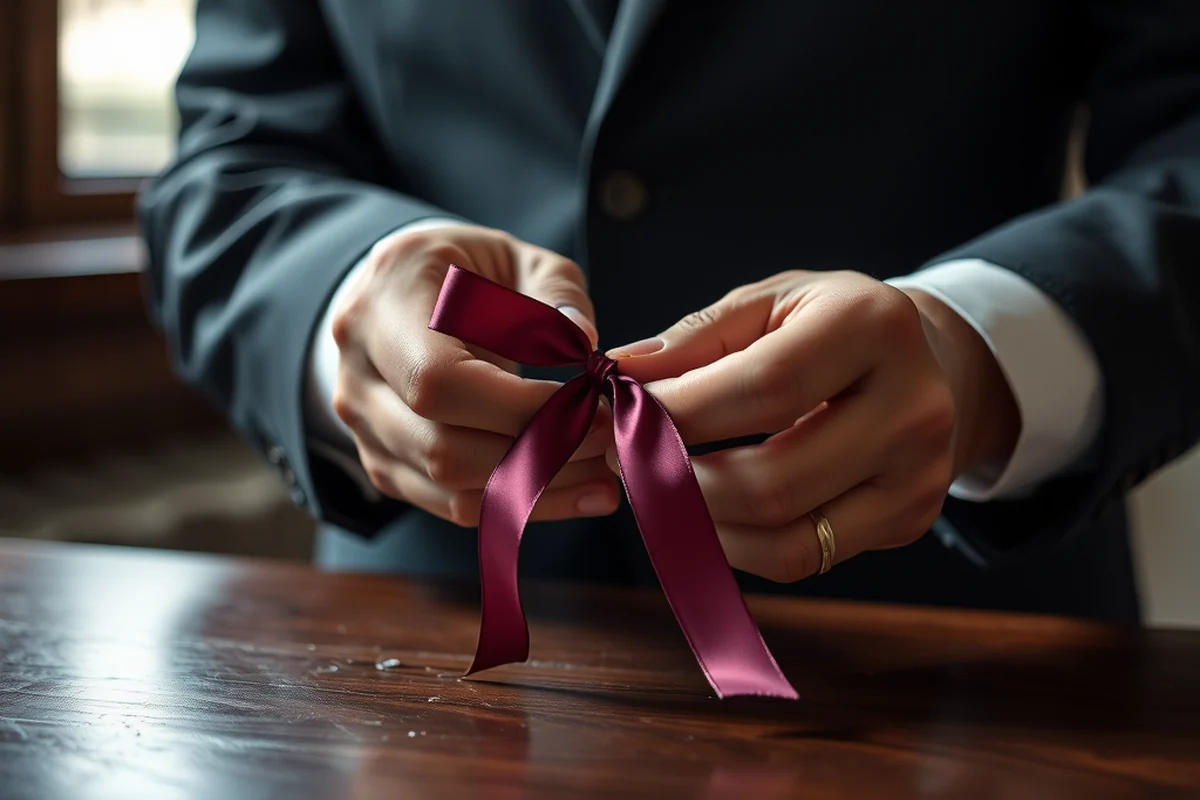
For men, formal attire at a wedding typically includes a tailored suit in a dark, neutral color such as black, navy, or charcoal. The suit should be well-fitted, with a crisp shirt, a tie or bow tie, and polished dress shoes. Accessories like cufflinks, a pocket square, and a watch can add a touch of sophistication. It's important to avoid overly flashy items unless the wedding has a specific theme that allows for more creativity.
I've seen many men underestimate the importance of a well-fitted suit. A suit that's too tight or too loose can detract from the overall look, even if it's the right color. When I advise guests, I always stress the importance of tailoring — even if it means spending a little extra to get the perfect fit. A great suit can make all the difference in the way a man feels and is perceived at the event.
Beyond the suit, the choice of tie or bow tie can also influence the overall look. For a more traditional wedding, a bow tie is often preferred, while a silk or patterned tie can work for a slightly more casual but still elegant affair. It's also important to match the shoes to the suit — a pair of black Oxford shoes is a safe and stylish choice.
A well-tailored suit can elevate a man’s presence at a wedding like nothing else.
Related: Outdoor wedding bands
Women's Formal Attire: Choosing the Right Gown
For women, formal attire at a wedding usually includes a long gown or a cocktail dress. These should be elegant, well-fitted, and avoid anything too casual like jeans or shorts. Colors are typically more subdued, such as navy, black, or deep red, but the choice can depend on the wedding's theme. Accessories like a clutch, heels, and jewelry can enhance the look, but should be chosen with care to avoid overshadowing the dress.
One of the most common mistakes I see is when a woman chooses a dress that's too similar in color or style to the bride. This can be distracting in photographs and may even feel inconsiderate. I always recommend steering clear of anything that matches the wedding party’s attire too closely. A little contrast is key to ensuring that each guest feels both stylish and respectful of the bride and groom.
Another consideration is the season and venue. A summer wedding might call for lighter fabrics and open-toe heels, while a winter wedding may require heavier materials and closed-toe shoes. I've found that the best advice for women is to choose a dress that feels like an extension of themselves — one that they feel confident and comfortable in, while still honoring the event.
While it's tempting to wear a similar dress to the bride, it's often best to choose a slightly different style or color to avoid overshadowing her on the big day.
“I still remember the first time I attended a wedding where every guest showed up in formal attire — the crisp lines, the shimmer of…”— Outdoor Wedding Planning editors
Related: Outdoor wedding chairs
Formal Attire for Children and Younger Guests
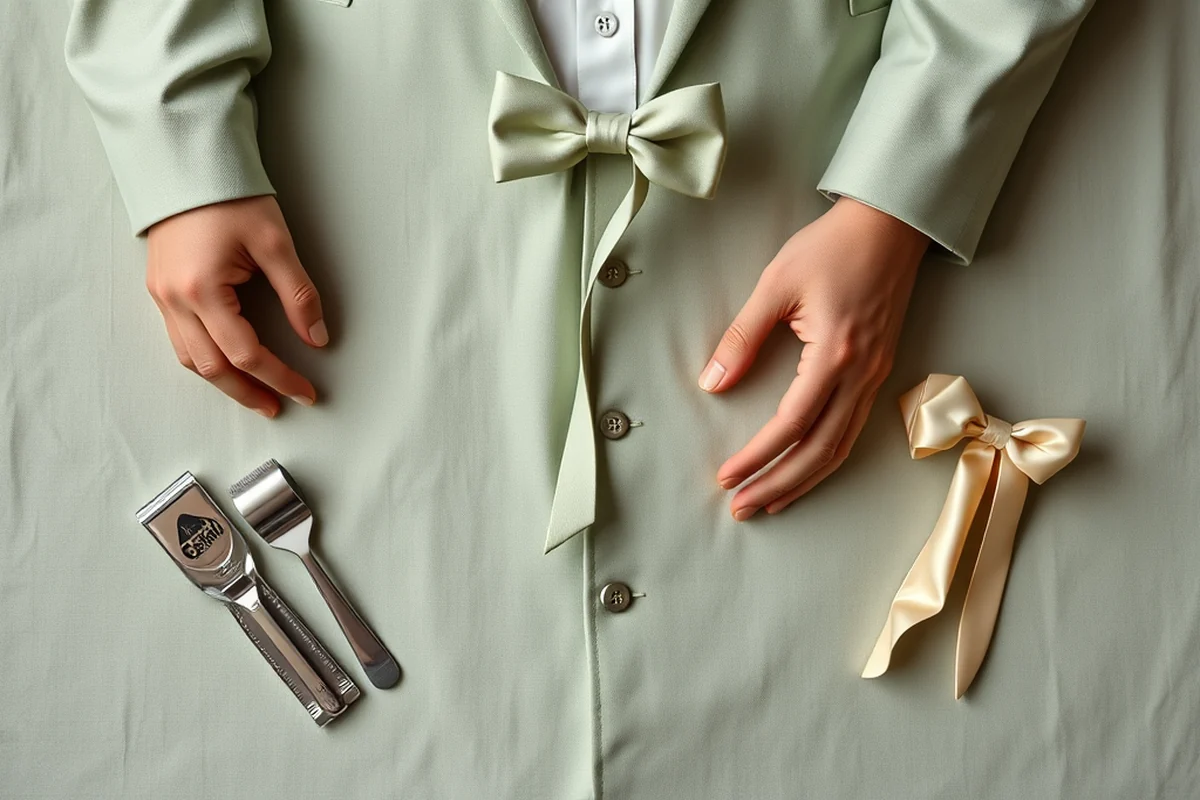
For children and younger guests, formal attire doesn't mean the same as it does for adults, but it still requires a bit of thought and effort. For boys, a suit or a dress shirt and trousers can work, while girls can wear a dress or a formal outfit that matches their age. The key is to ensure that the child is comfortable and still looks appropriately dressed for the occasion.
I've seen parents struggle with what to wear their children for a formal wedding, and the answer is often simpler than expected. A little black dress or a well-fitted suit can be just as elegant as anything a grown-up might wear, without being too overwhelming for a child. Accessories like small bows or clips can add a nice touch, but they should be simple and not too flashy.
Another tip I always give is to make sure the child is aware of what they're wearing and that they're excited about it. When a child feels confident in their outfit, it shows — and that's something that can be seen in the photos and the way they carry themselves throughout the event.
Related: Outdoor tent wedding
The Role of Cultural and Regional Influences
In many cultures, formal attire for a wedding is deeply rooted in tradition. For example, in some Asian cultures, men may wear a white suit with a silk sash, while women may choose an embroidered or beaded dress that reflects their heritage. In other regions, like parts of the Middle East, formal attire for men might include a traditional dishdasha or a long coat, while women may wear an abaya or a hijab.
I've worked with couples from all over the world, and I've learned that understanding these cultural nuances is essential for ensuring that guests feel both respected and appropriately dressed. It's not always about following the same rules — it's about respecting the customs and traditions that the couple comes from.
One of the most important things I've learned is that when in doubt, it's always better to ask. If a guest is unsure about what to wear for a culturally specific wedding, reaching out to the couple or the wedding planner can make all the difference in ensuring that they're dressed in a way that honors the event.
Related: Outdoor wedding chapel
The Importance of Comfort in Formal Attire
While formal attire is all about looking elegant, it's also important to feel comfortable. I've seen many guests struggle with high heels or tight dresses that left them exhausted by the end of the evening. The key is to choose an outfit that looks good but also allows for movement and ease.
In my experience, the best way to ensure comfort is to choose materials that are breathable and not too restrictive. For example, a silk or satin dress is not only elegant but also more comfortable than something made of stiff fabric. Similarly, choosing shoes with a little cushioning can make a big difference in how a guest feels throughout the event.
Another tip I always give is to test the outfit in advance. If possible, wear it for a few hours before the wedding to see if it feels too tight or uncomfortable. This can prevent last-minute changes or adjustments that might be difficult to make once you're on-site.
Elegance without comfort is like a cake without frosting — it’s still edible, but it’s not as enjoyable.
Related: Outdoor wedding hall
How to Stay Within Budget While Dressing Formally
Formal attire doesn't have to be expensive — with the right choices, you can look elegant without spending a fortune. I’ve worked with many guests who are on a tight budget but still manage to dress beautifully for a wedding by choosing second-hand or rental options, or by opting for simpler but still formal styles.
One of the best ways to save money is to rent a formal outfit. Many cities have rental shops that offer high-quality suits and gowns at a fraction of the retail price. This is especially useful for men, as a tailored suit can be quite costly to buy new.
Another tip is to focus on the essentials. A well-fitted suit or a simple, elegant dress can be just as impactful as something more extravagant. It’s not about having the most expensive item — it’s about looking and feeling your best.
💰 Budget-Friendly Formal Attire
Opt for rental suits or gowns, or choose simpler, elegant styles that are still appropriate for the occasion.
🏠 Small-Space Formal Attire
Choose lighter fabrics and more streamlined designs that are easy to move in and won’t overwhelm a smaller venue.
🌳 Outdoor Formal Attire
Select breathable fabrics, light colors, and comfortable shoes that are appropriate for an outdoor setting.
🎩 Grown-Up Version of Formal Attire
Choose more mature, sophisticated styles that reflect a more formal and elegant look for a mature audience.
👕 Low-Effort Formal Attire
Pick versatile, easy-to-wear outfits that still meet the formal dress code without requiring extensive preparation.
| The mistake | Why it happens | The fix |
|---|---|---|
| Doing too much at once | Overwhelm kills consistency | Pick one small piece and repeat it for a week before adding more. |
| Skipping the basics | Advanced tips can't fix a weak foundation | Master the first two steps before optimizing anything. |
What Is Formal Attire For A Wedding
Common Questions
What is the difference between formal and semi-formal attire for a wedding?
Can I wear a dress that is similar to the bride’s for a wedding?
What should I wear if I'm not sure about the wedding's dress code?
How can I dress formally on a tight budget?
References
- 2026 NC State Fair Event Calendar - NC Department of Agriculture (ncagr.gov)
- The Monster Book of Language Teaching Activities - American English (americanenglish.state.gov)
- Latin Bridal - SF.gov (sf.gov)
Cite this guide
Outdoor Wedding Planning (2026). What Is Formal Attire For A Wedding. https://eventwalks.com/what-is-formal-attire-for-a-wedding/
Feel free to cite or share this guide.