
What Is A Wedding Reception Timeline

📖 Table of Contents
- The Core Elements of a Wedding Reception Timeline
- How to Create a Wedding Reception Timeline That Works
- Choosing the Right Time for Key Events
- The Role of the Timeline in Guest Experience
- Handling the Timeline During the Reception
- The Benefits of a Well-Structured Timeline
- The Final Moments — Ending on a High Note
- Make It Your Way
I still remember the first wedding reception I ever attended — the chaos, the laughter, the moment when everything felt perfectly timed and perfectly out of sync. It was my sister's wedding, and I was the one who had to coordinate the timeline. That day, I realized how crucial a well-structured wedding reception timeline is. It's not just about what happens, but when. It's the invisible script that keeps the day flowing smoothly, and it's the reason why guests never feel lost or bored. Understanding the wedding reception timeline is what turned a stressful day into a magical one for me.
A wedding reception timeline isn't just a checklist; it's the heartbeat of the event. When I first started planning my own wedding, I thought I'd have time to relax and enjoy the moment. But the truth is, without a clear timeline, the day can become a blur of rushed transitions and missed opportunities. I learned the hard way that knowing the exact time you should arrive, when the speeches will happen. When the first dance will begin can be the difference between an unforgettable celebration and a disorganized event. The wedding reception timeline is the silent hero that keeps everyone in sync.
As I've planned and attended more weddings, I've come to see the wedding reception timeline as a strategic tool. It's what allows the bride and groom to be present in each moment, to savor the speeches, the music, and the dancing without feeling like they're running from one event to another. It's also what makes the day feel like a story — with a beginning, a middle, and an end. The wedding reception timeline is what turns a collection of moments into a cohesive, memorable experience, and it's why it's worth understanding thoroughly.
Why You'll Love This Wedding Reception Timeline Guide
- Learn how to structure your reception for seamless transitions and unforgettable moments.
- Discover practical, real-world examples of timing that work for any wedding style.
- Avoid common pitfalls that can ruin the flow of your big day.
- Get actionable insights to keep guests engaged and happy throughout the evening.
The Core Elements of a Wedding Reception Timeline
As of October 2026, a wedding reception timeline is more than just a schedule — it's the blueprint for the entire evening. It includes the arrival of the guests, the processional, the speeches, the dinner, the first dance, and the departure. When I planned my own reception, I made a timeline that covered every 30-minute window, and that helped me stay calm and focused. It gave me a sense of control over the chaos that was sure to come.[1]
The timeline also includes transitions — like the time it takes for the caterers to set up the tables or for the DJ to switch from dinner music to the first dance. These details might seem small, but they can have a huge impact on the flow of the night. I remember one reception where the timeline didn't account for the time it took to clear the tables, and as a result, the first dance was delayed by over 15 minutes. That’s why having a detailed timeline is so important.[2]
Including a timeline in your planning process also helps the vendors — the photographers, the caterers, the florists — know exactly when they need to be on site. It ensures that everyone is in the right place at the right time, which can prevent a lot of last-minute stress. I’ve found that when the timeline is shared with the vendors early on, it makes the whole event feel more organized and efficient.
Give your vendors a copy of the timeline at least a week before the event so they can prepare accordingly and know exactly when they need to be on site.
Part of our Wedding ceremony guide.
How to Create a Wedding Reception Timeline That Works

Creating a wedding reception timeline starts with a simple question: What do I want the day to feel like? For me, it was about balance — a mix of ceremony, celebration, and connection. I worked with my planner to outline the key events, and we assigned time slots to each based on the venue's layout and the number of guests. It’s important to be realistic about how long each activity will take, especially when you're dealing with things like speeches, dancing, and transitions.
I remember one planning meeting where we were trying to fit in too many activities, and it became clear that the timeline was too packed. We had to cut some of the less essential events to make room for the ones that truly mattered. That’s part of the process — learning what can be included and what needs to be left out. It’s also crucial to consider the flow of the evening — for example, after dinner, it’s usually a good idea to transition into a more relaxed atmosphere before moving into the dancing.
Another tip I learned was to build in buffer times — those 5-10 minute gaps between events that give everyone a chance to move from one area to another. These buffers are especially important when you have a large number of guests or when the venue is a bit spread out. During my own wedding, these buffer times helped us avoid the chaos of people rushing from one event to the next. They made the day feel more relaxed and enjoyable for everyone.[3]
The best wedding reception timelines are the ones that feel like a natural flow of events, not a rigid schedule.
Related: What should i wear to an outdoor wedding in october
Choosing the Right Time for Key Events
When I was planning my own wedding, I was initially tempted to schedule the speeches right after the dinner. But I soon realized that the guests were already tired and that the energy in the room was low. I moved the speeches to earlier in the evening, and it made a huge difference — the guests were more engaged, and the speeches had a greater impact.
I also found that the timing of the first dance is crucial. If it’s too early, the guests might not be fully engaged, and if it’s too late, they might be tired and ready to leave. I scheduled my first dance right after the speeches, and it created a perfect transition from the emotional part of the evening to the celebratory part. This timing allowed the energy to shift naturally from the speeches to the dancing.
Another key timing decision was when to serve the cake. I had originally planned to serve it after the first dance, but I realized that the cake would be more of a surprise if served during the dinner. That small change added an element of surprise and made the evening feel more magical. It also gave the guests something to look forward to during the meal.
Plan your key events around the natural ebb and flow of energy — for example, schedule speeches and toasts when the guests are most engaged and save the most lively events for later in the evening.
“I still remember the first wedding reception I ever attended — the chaos, the laughter, the moment when everything felt perfectly timed and perfectly out…”— Outdoor Wedding Planning editors
Related: Outdoor wedding johor bahru
The Role of the Timeline in Guest Experience
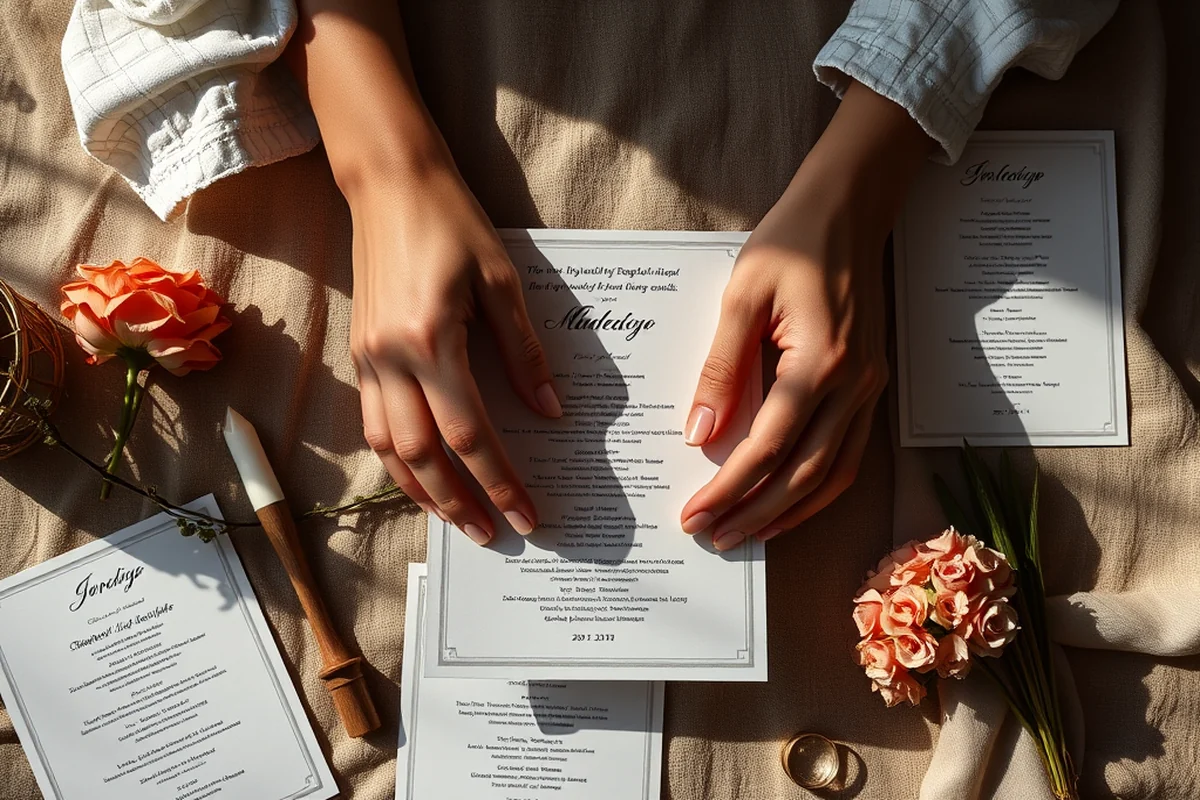
The timeline isn’t just for the bride, groom, and wedding party — it’s also about the guests. A clear timeline helps guests know what to expect and when to be where. For example, if they know that the speeches will happen at 7:00 PM and the first dance will be at 8:30 PM, they can plan their own schedules accordingly. It also helps guests avoid the confusion of not knowing what’s happening next.[4]
I’ve noticed that when the timeline is well communicated, the guests are more engaged and more likely to stay for the entire evening. They feel like they’re part of a cohesive event rather than just a collection of moments. It’s also helpful for families with children, who might need to know when to leave for a specific activity or when to return to the main event.
Including the timeline in the invitation or in the welcome materials is a simple but effective way to enhance the guest experience. It shows that you’ve put thought into the structure of the evening, and it helps guests feel more connected to the event. I’ve found that guests who receive a timeline are more likely to attend the entire reception and enjoy every part of it.
Related: Outdoor places for wedding
Handling the Timeline During the Reception
No matter how carefully you plan the timeline, things can and will go off schedule. I remember my own wedding when the DJ had to make an unexpected adjustment due to a technical issue, which caused a slight delay. But because I had a flexible timeline, we were able to adjust quickly and still keep the evening on track. It’s important to have a plan for when things go wrong — and to be ready to make adjustments on the fly.
I’ve learned that having a backup plan for key events is essential. For example, if the speeches are running over time, it might be better to move the first dance earlier rather than risk losing the entire timeline. It’s also helpful to have a trusted planner or coordinator who can help you adjust the schedule in real time.
Another thing to consider is the use of a timeline board or a digital display that shows the current time and the next events. This can be a helpful tool for guests and for the wedding party, as it keeps everyone informed and on track. I’ve found that even a simple timeline board can make a big difference in keeping the reception flowing smoothly.
Related: Outdoor wedding ideas near me
The Benefits of a Well-Structured Timeline
A well-structured timeline ensures that the key events of the evening are given the attention they deserve. It prevents important moments — like the speeches or the first dance — from being rushed or overshadowed by other events. It also helps the wedding party stay on track and ensures that everyone is in the right place at the right time.
In my own experience, a well-structured timeline helped us avoid the chaos of having too many things happening at once. It kept the energy of the reception balanced and made sure that each part of the evening felt meaningful. It also helped the vendors stay on schedule and ensured that the event ran as smoothly as possible.
The timeline is also a valuable tool for the guests — it helps them know what to expect and when to be where. It keeps them engaged and makes the entire experience more enjoyable. When I look back on my wedding, I can see how the timeline helped create a sense of order and flow that made the day feel magical.
A well-structured timeline is the key to a wedding reception that feels both planned and spontaneous.
Related: Outdoor wedding benches
The Final Moments — Ending on a High Note
The final moments of a wedding reception are often the most emotional — they’re when the bride and groom say goodbye to their guests, when the last dance is performed. When the evening begins to wind down. These moments are crucial to the overall experience, and the timeline helps ensure that they’re handled with care and attention.
I remember my own wedding ending with a slow, soulful song that left the guests in tears. It was a moment that was carefully planned and included in the timeline, ensuring that the energy of the evening was preserved until the very end. These final moments are a great opportunity to create a lasting impression on the guests.
Another important part of the final moments is the departure of the guests. It’s important to have a timeline that includes this as well, so that the guests know when they should leave and how to do so without disrupting the final moments of the evening. A smooth departure is just as important as a smooth arrival, and it’s something that the timeline can help with.
💰 Budget-Friendly Wedding Reception
A low-cost reception that still includes all the key events, just with a more streamlined approach.
🏠 Small-Space Wedding Reception
A reception tailored for a small venue, with a focused and efficient timeline to maximize space and time.
🌳 Outdoor Wedding Reception
A reception that takes advantage of the natural setting, with a timeline that accounts for weather and lighting changes.
🎩 Grown-Up Wedding Reception
A reception designed for more mature guests, with a timeline that includes thoughtful transitions and meaningful events.
💤 Low-Effort Wedding Reception
A relaxed reception with a minimal timeline, perfect for those who want to enjoy the day without the stress.
| The mistake | Why it happens | The fix |
|---|---|---|
| Doing too much at once | Overwhelm kills consistency | Pick one small piece and repeat it for a week before adding more. |
| Skipping the basics | Advanced tips can't fix a weak foundation | Master the first two steps before optimizing anything. |
What Is A Wedding Reception Timeline
References
- Planning your wedding - Basilica of the Sacred Heart (basilica.nd.edu)
- Ceremony + Reception - UC Botanical Garden at Berkeley (botanicalgarden.berkeley.edu)
- Weddings - Nebraska State Capitol (capitol.nebraska.gov)
- Weddings | Event Planners - Central College (central.edu)
Cite this guide
Outdoor Wedding Planning (2026). What Is A Wedding Reception Timeline. https://eventwalks.com/what-is-a-wedding-reception-timeline/
Feel free to cite or share this guide.
Outdoor Wedding Checklist
Outdoor-specific wedding checklist filtered by location.
Open it free →