
A Wedding Checklist
📖 Table of Contents
When I first planned my own wedding, I had no idea how many moving parts would need to be coordinated. I remember staring at a blank wall in my living room, paper clips in hand, trying to figure out where to start. That's when I realized I needed a wedding checklist — something concrete to guide me through the chaos. It wasn't just about remembering tasks; it was about ensuring every detail was covered, from the venue to the invitations. Even the little things like the table linens and the number of wine glasses.
A wedding checklist isn't just a list of things to do; it's a roadmap that helps you handle the emotional and logistical whirlwind of planning a wedding. I've seen so many couples get overwhelmed by the sheer number of decisions they need to make. A checklist helps you break the process into manageable pieces, making it easier to focus on what truly matters. I learned through trial and error that having a checklist in place not only reduces stress but also makes the experience more enjoyable and less chaotic.[1]
Over the years, I've come to understand that a wedding checklist is not a one-size-fits-all solution. It needs to be personalized to your unique vision, budget, and timeline. I remember when I had a friend who used a generic checklist and ended up missing key elements like the guest list and the catering timeline. That experience taught me the importance of tailoring the checklist to your specific needs. Whether you're planning a small outdoor wedding or a grand celebration, having a checklist that's suited to your circumstances is essential for a successful and memorable event.
Why You'll Love This Wedding Checklist
- It reduces stress by breaking down the planning process into manageable steps.
- It ensures you don't miss any critical details, from the venue to the music.
- It helps you stay on budget by prioritizing expenses and tracking your spending.
- It keeps your team, vendors, and guests on the same page through clear communication.
Start With the Big Picture
As of September 2026, the first step in creating a wedding checklist is to have a clear vision of what you want the day to look like. Do you envision a rustic outdoor ceremony or a formal ballroom affair? How much are you willing to spend, and what is your timeline for planning? These questions will shape every other decision you make, from the venue to the guest list. I remember when I first sat down with my fiancé and mapped out our budget and timeline — it was the most crucial step in the entire process.
When I was planning my own wedding, we set a budget of $12,000 and a lead time of six months. This helped us prioritize expenses and avoid going overboard on unnecessary details. I also made a timeline that outlined key milestones like booking the venue, sending out invitations, and finalizing the menu. This level of planning ensured that we didn't miss any critical deadlines and stayed on track.
Having a clear vision and timeline helps you avoid the common pitfall of underestimating the time and resources required. I've seen many couples who thought they had more time than they actually did, leading to last-minute stress and rushed decisions. By starting with the big picture, you're setting yourself up for a more organized and stress-free planning process.
Start by defining your budget and timeline. This will guide all other decisions, from venue selection to guest list size.
Choose the Perfect Venue
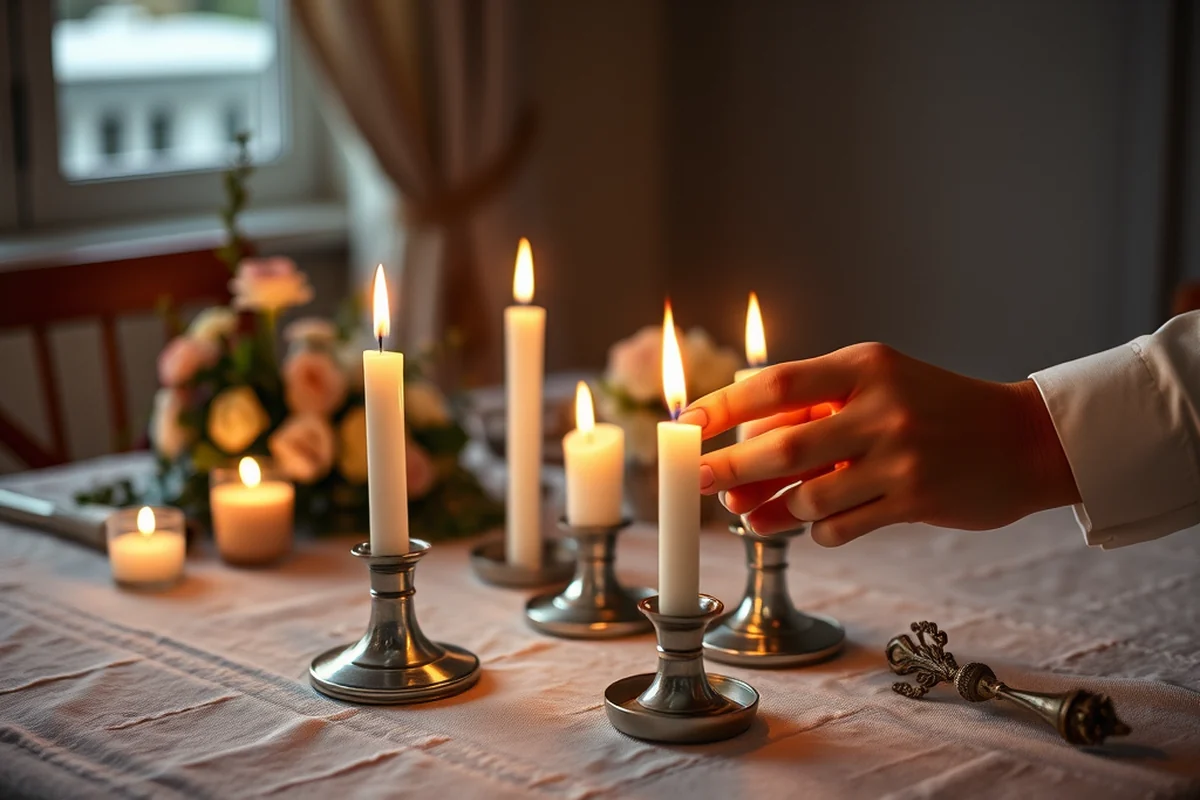
The venue is the backbone of your wedding, so it's essential to choose one that aligns with your vision and practical needs. I remember when I visited a venue that had a rustic outdoor setting — it perfectly matched my vision of a small, intimate wedding. However, it was important to also consider the logistics, like how far it was from the guest accommodations and whether it had the necessary facilities for the event.
When I was choosing my venue, I made a checklist that included factors like location, capacity, and ambiance. I also visited several venues and took notes on each one. This helped me compare options and make an informed decision. One of the most important things I considered was the capacity — I wanted to ensure that the space could comfortably accommodate the number of guests we had invited.
Choosing the right venue can also impact your budget. Some venues come with package deals that include catering, décor, and other services, while others require you to hire separate vendors. I found that negotiating with the venue was key — I was able to get a better rate by booking during off-peak times and discussing the package deals available.
The venue sets the tone for your entire wedding — choose wisely.
Related: Planning a wedding checklist printable
Send Invitations Early
One of the first tasks on my wedding checklist was sending out invitations. I learned that sending them out at least six to eight weeks in advance is essential for ensuring that guests have time to plan. I remember when I sent out my invitations three weeks before the wedding — I ended up with several guests who couldn't attend because they had conflicting plans.
I made a list of all the guests I wanted to invite and sent out the invitations via email and physical mail. I also included a clear RSVP deadline, which helped me track responses and make adjustments to the guest list if needed. It was important to include all the necessary details like the date, time, location, and any dress code requirements.
Sending out invitations early also helps you gauge the number of guests attending, which is crucial for planning the rest of the event. I used a digital RSVP system that made it easy to track responses and send reminders. This ensured that I had an accurate count of guests and could make any necessary adjustments to the catering and seating arrangements.
Using a digital RSVP system can help you track guest responses and make last-minute adjustments with ease.
“When I first planned my own wedding, I had no idea how many moving parts would need to be coordinated.”— Outdoor Wedding Planning editors
Related: What do wedding planners get paid
Finalize the Guest List

Once the invitations are sent out and responses are tracked, the next step is to finalize the guest list. This helps you determine the number of people attending the event and makes it easier to plan the rest of the details. I remember when I had to cut down the guest list because some people couldn't attend due to conflicting schedules or other commitments.
Finalizing the guest list also helps you stay within your budget. I had a list of 100 people initially, but after tracking responses, I was able to narrow it down to 80. This allowed me to adjust the catering and seating arrangements accordingly. I also made sure to include any special needs or dietary restrictions that guests might have.
It's also important to consider the logistics of the guest list. If you're hosting a large event, you may need to arrange for accommodations, transportation, or even a guest coordinator. I had a small team who helped with guest management, which made the process much smoother and ensured that everyone was taken care of.
Related: Backyard wedding checklist pdf
Plan the Menu and Catering
The menu and catering are a crucial part of your wedding, as they set the tone for the entire event. I remember when I was choosing the menu for my wedding — it was important to consider the dietary restrictions of the guests, like vegetarian and gluten-free options. I also wanted to ensure that the food was of high quality and matched the overall theme of the event.
When I met with the caterer, I made a list of the dishes I wanted and discussed the budget. I also asked for recommendations and samples to ensure that the food met my expectations. It was also important to consider the serving style — whether it was a buffet, plated service, or family-style dining — as this can impact the overall experience of the guests.
Planning the menu also involves coordinating with the venue and other vendors. I had to ensure that the catering team had access to the kitchen and that the serving areas were set up correctly. I also made sure to schedule the tasting in advance and that all the necessary equipment, like tables and chairs, was available on the day of the event.
Related: Wedding planning cheap
Coordinate with Vendors
Coordinating with vendors is a critical part of the wedding planning process. I had a list of vendors, including the caterer, florist, photographer, and decorator, and I made sure to schedule meetings with each one. I also created a timeline that outlined when each vendor would arrive and what they needed to do on the day of the event.
I made sure to communicate clearly with each vendor about the details of the event, like the timing, layout, and any special requests. For example, I wanted the florist to create a specific look for the ceremony and the reception, so I provided them with a detailed description and photos for reference. This helped ensure that everything was consistent with the overall vision.
It's also important to have a point of contact for each vendor to streamline communication. I had a wedding planner who coordinated with all the vendors and ensured that everything was on track. This made the process much easier and reduced the stress of managing multiple vendors at once.
Clear communication with vendors can make or break your wedding day.
Related: Affordable wedding planners near me
Finalize the Decor and Details
The final step in my wedding checklist was to finalize the decor and other details that would make the event special. This included everything from the table linens and centerpieces to the lighting and music. I remember when I had a hard time deciding on the color scheme for the event — it was important to choose colors that matched the overall theme and the season.
I worked closely with the decorator to ensure that every detail was in place. This included selecting the right table linens, centerpieces, and even the type of candles to use. I also made sure to coordinate the lighting to create the right ambiance for the ceremony and the reception. This helped set the tone for the entire event.
Finalizing the decor also involves ensuring that everything is set up correctly on the day of the event. I had a team who was responsible for setting up the venue, and I made sure to check everything before the guests arrived. This ensured that the event looked exactly how I had envisioned it and that everything was in perfect order.
💰 Budget-Friendly Wedding
A wedding checklist tailored to help you plan a memorable event without breaking the bank.
🏠 Small-Space Wedding
A checklist for planning a wedding in a small space, focusing on creative solutions and efficient use of space.
🌳 Outdoor Wedding
A checklist for planning an outdoor wedding, with tips on weather preparedness, seating, and decor.
🎩 Grown-Up Version
A checklist for planning a more mature and elegant wedding, with a focus on sophistication and style.
✨ Low-Effort Wedding
A checklist for planning a wedding with minimal effort, focusing on simplicity and ease of planning.
| The mistake | Why it happens | The fix |
|---|---|---|
| Not sending out invitations early enough | Not sending out invitations early can lead to last-minute guest list changes and difficulties in planning the event. | Send out invitations at least six to eight weeks in advance to give guests ample time to RSVP and make travel arrangements. |
| Not finalizing the guest list before the event | Not finalizing the guest list can lead to overbooking the venue, difficulty in planning catering, and logistical issues on the day of the event. | Track RSVPs and finalize the guest list well in advance to ensure that all arrangements, like seating and catering, are accurate. |
| Not coordinating with vendors properly | Not coordinating with vendors can lead to miscommunication, delays, and a lack of consistency in the event's execution. | Schedule meetings with each vendor, provide clear details about the event, and have a point of contact to streamline communication. |
| Not finalizing the decor and details in advance | Not finalizing the decor and details can result in last-minute changes and a lack of cohesion in the event's overall look. | Work closely with your decorator, finalize all details well in advance, and ensure that everything is set up correctly on the day of the event. |
A Wedding Checklist
Common Questions
How early should I start planning my wedding?
What should I include in my wedding checklist?
How can I stay within my budget?
What are the most important details to finalize before the wedding?
References
- Wedding Questions For Bride And Groom (jfd.jacksonms.gov)
Cite this guide
Outdoor Wedding Planning (2026). A Wedding Checklist. https://eventwalks.com/a-wedding-checklist/
Feel free to cite or share this guide.