
How To DIY Wedding Flowers

📖 Table of Contents
- Choosing the Right Flowers for Your Theme
- Gathering Your Materials and Tools
- Creating a Floral Arrangement from Start to Finish
- Styling Your Space with DIY Flowers
- Storing and Preserving Your Flowers
- Adding Personal Touches to Your Arrangements
- Troubleshooting Common Issues
- Make It Your Way
- Frequently Asked Questions
I remember the morning of my wedding, standing in a field of wildflowers with my hands in the soil, trying to figure out how to make the floral arrangements look as natural as they did in the photos I had seen. I had no idea that creating DIY wedding flowers would be one of the most rewarding experiences of my life. It wasn’t just about the flowers — it was about the process, the connection to the earth, and the way it allowed me to infuse my own personality into every single bloom.
DIY wedding flowers are a game-changer for anyone looking to create a unique, personal, and budget-friendly event. I had always imagined my wedding would be filled with expensive, store-bought bouquets and centerpieces. I quickly learned that with a little time, patience, and a few simple tools, you can craft stunning arrangements that look like they were designed by a professional florist. The joy of seeing my own hands shape the flowers that would be on my wedding day was something I will never forget.[1]
What makes DIY wedding flowers so special is the way they allow you to express your personal style, values, and even sustainability practices. I ended up using a combination of locally sourced flowers, recycled vases, and hand-tied bouquets that reflected my love for nature and simplicity. Whether you're on a tight budget, an eco-conscious planner, or simply someone who loves the idea of hands-on creativity, DIY wedding flowers can bring a unique and heartfelt touch to your special day.[2]
Why You'll Love This DIY Wedding Flowers Journey
- Create one-of-a-kind floral designs that reflect your personal style
- Save money while still achieving a beautiful, professional-looking result
- Enjoy the creative process and connect with your event in a meaningful way
- Customize every detail, from color schemes to flower types, to match your vision
Choosing the Right Flowers for Your Theme
As of November 2026, I knew I wanted my wedding to have a rustic, bohemian feel, so I chose sunflowers, dahlias, and eucalyptus — all of which fit that vibe perfectly. I spent time researching which flowers were in season and where I could find them locally, which not only saved money but also added a more organic, natural look to the arrangements.[3]
It's important to consider how the flowers will hold up in your venue. If your event is outdoors, you might want to avoid flowers that are too delicate or prone to wilting in the sun. I found that hydrangeas held up well in the heat, and I used them as a focal point for the ceremony arch.
Don’t be afraid to mix and match different types of flowers to create a layered, full look. I combined tall, flowing stems with more compact ones, which gave the arrangements a dynamic and natural appearance that looked like it was picked from the wild.
Seasonal flowers are not only more affordable but also more vibrant and long-lasting. Check with local florists or farmers’ markets to find the best options for your event.
Part of our Wedding ceremony guide.
Gathering Your Materials and Tools
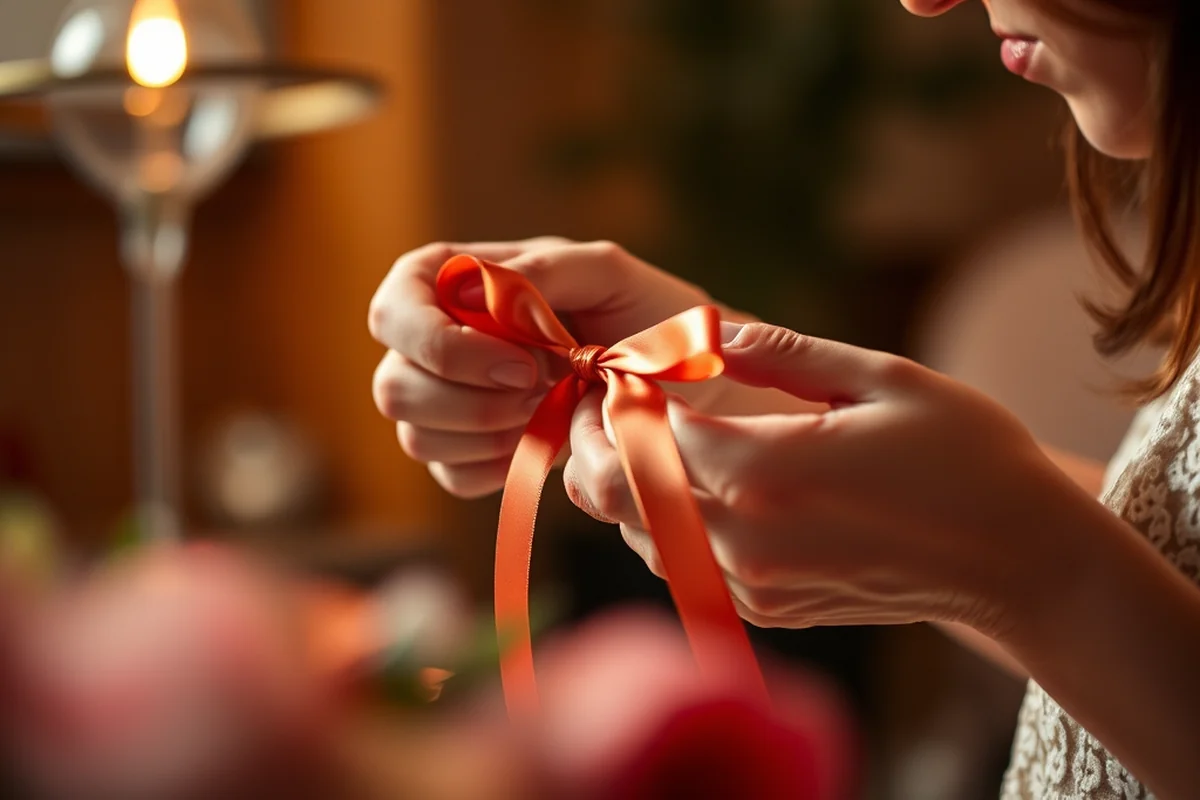
I made a list of everything I would need before starting — vases, floral foam, floral shears, ribbon, and a few basic tools like a wire cutter and a comb for arranging stems. I also had a set of floral picks and some decorative twine to add texture and interest.
You don’t need to spend a fortune on tools. I used a secondhand floral foam block that I had purchased at a craft store, and I found that it worked just as well as the more expensive alternatives. It's all about using what you have and what's available in your area.
I also invested in a few basic vases that I could reuse for other events. This not only saved me money in the long run but also made the process more eco-friendly. I made sure to have a variety of sizes to accommodate different types of arrangements.
The right tools make all the difference — don’t skip this step.
Related: Wedding processional order template
Creating a Floral Arrangement from Start to Finish
I started by cutting the stems to the desired length and removing any excess leaves that would be hidden in the vase. I then worked on the base of the arrangement, making sure the flowers were evenly spaced and centered. This helped create a balanced, symmetrical look.
I used the floral foam as a base and inserted the flowers into it, making sure they were placed in a way that created natural layers. I then filled in any gaps with smaller flowers and foliage to add texture and depth to the arrangement.
The final step was adding a ribbon or some decorative twine around the base of the arrangement. This not only gave it a finished look but also added a personal touch that I could customize to match my wedding colors.
Begin with the largest and most focal flowers, then add smaller ones around them to create a full, balanced look. This technique helps ensure that your arrangements are visually appealing from all angles.
“I remember the morning of my wedding, standing in a field of wildflowers with my hands in the soil, trying to figure out how to…”— Outdoor Wedding Planning editors
Related: How to write wedding vows
Styling Your Space with DIY Flowers
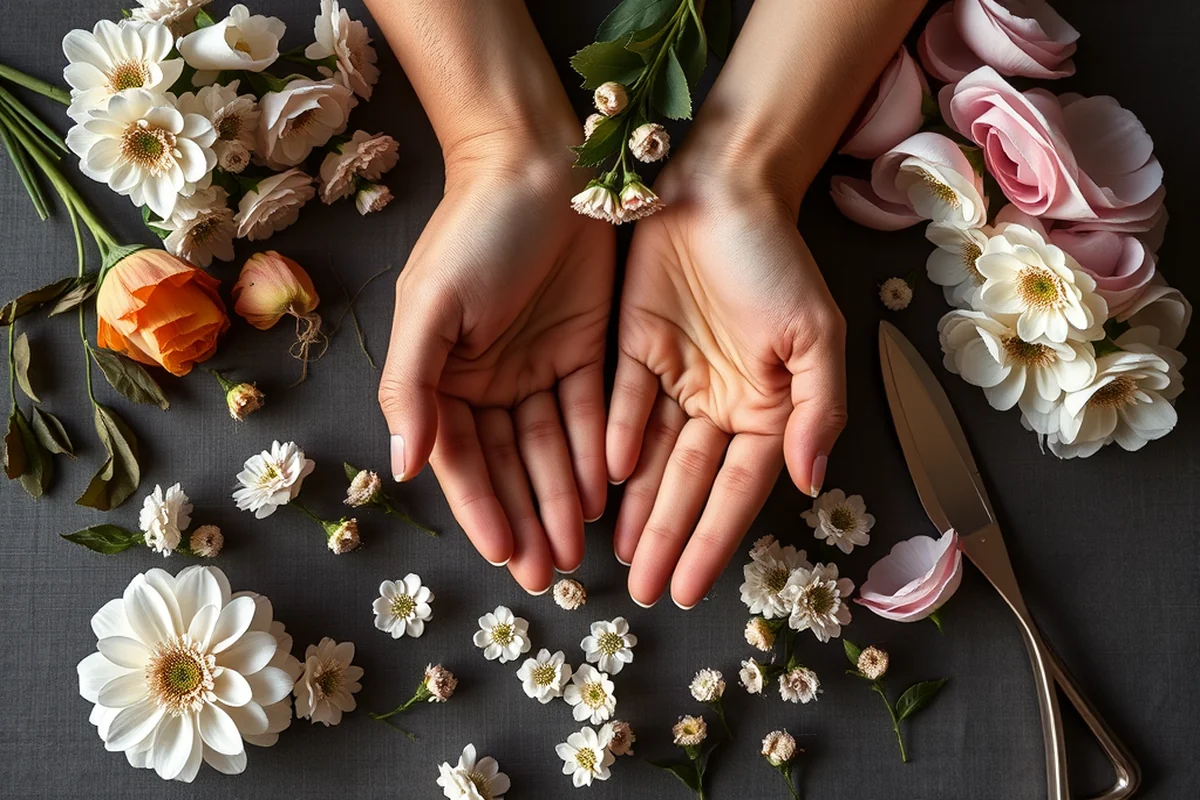
I placed the larger arrangements on the main tables, using them as centerpieces. I made sure they were spaced out evenly so they didn’t overwhelm the table but still drew the eye. The smaller arrangements were used for the ceremony arch and the entryway, which gave the space a cohesive look.
I also used smaller, more delicate arrangements to decorate the corners of the venue and on the chairs. These added a subtle, romantic touch that enhanced the overall atmosphere of the event.
It's important to consider the height and scale of your arrangements. I made sure that the centerpieces on the tables were not too tall, as they might have blocked the view of the guests. I also used different types of vases and containers to create visual interest and variety.
Related: Stunning jewelry for weddings
Storing and Preserving Your Flowers
I used a combination of water and floral preservatives to keep the flowers fresh for the duration of the event. I also made sure to keep the vases in a cool, shaded area to prevent the flowers from wilting in the heat.
I had a few backup arrangements just in case any of the flowers started to wilt or fall apart. I placed them in a cooler and kept them on standby for the day of the event. This gave me peace of mind and ensured that everything looked perfect.
After the event, I took the arrangements home and dried them out in a cool, dry place. I used them as decorative pieces in my home and even gave some to family and friends as mementos of the day.
Related: What is semi formal wedding attire men
Adding Personal Touches to Your Arrangements
I added small, hand-painted vases and personalized tags to each arrangement, which gave them a unique and custom feel. I also used natural elements like dried flowers, leaves, and branches to add texture and interest.
I made sure that each arrangement was a reflection of our relationship. I used colors that were significant to our story and included flowers that had special meaning to us. This made the arrangements feel more personal and heartfelt.
I also used some of our wedding photos as inspiration for the floral designs. I created a few arrangements that incorporated elements from our photos, such as the colors and patterns we loved. This helped create a cohesive and meaningful look for the event.
A little personal flair can make your arrangements unforgettable.
Related: Wedding ceremony scripts for officiants
Troubleshooting Common Issues
One of the most common issues I encountered was flowers wilting before the event. To prevent this, I made sure to keep them in a cool place and used a floral preservative to extend their life. I also kept them in the cooler until the day of the event.
Another issue was the flowers not looking as full or vibrant as I had hoped. I found that using a variety of flower types and adding foliage helped create a more lush and natural look. I also made sure to trim the stems and remove any excess leaves to make the arrangements look cleaner.
I also had a few arrangements that didn’t look quite right when I first made them. To fix this, I took them apart and rearranged the flowers to create a more balanced look. This was a bit time-consuming, but it was worth it in the end.
💰 Budget-Friendly DIY Wedding Flowers
Create stunning floral arrangements without breaking the bank by using affordable, locally sourced flowers and repurposed materials.
🏡 Small-Space DIY Wedding Flowers
Design compact and elegant arrangements that fit perfectly in small venues or intimate gatherings with minimal space and materials.
🌳 Outdoor DIY Wedding Flowers
Create arrangements that thrive in the great outdoors with durable flowers, natural elements, and weather-resistant materials.
🎩 Grown-Up Version of DIY Wedding Flowers
Elevate your arrangements with a more refined and sophisticated design that complements a mature, elegant event style.
🧘♀️ Low-Effort DIY Wedding Flowers
Keep it simple with minimal effort and maximum impact by using pre-made arrangements, easy-to-assemble designs, and minimal tools.
| The mistake | Why it happens | The fix |
|---|---|---|
| Overloading arrangements with too many flowers | Overloading your arrangements can make them look cluttered and unbalanced, which can detract from the overall aesthetic of your event. | Use a variety of flower types and add foliage to create a more balanced and visually appealing look. |
| Neglecting to secure the flowers properly | If your flowers are not properly secured, they may fall apart or wilt more quickly, which can be frustrating and time-consuming to fix. |
How To DIY Wedding Flowers
Common Questions
How long does it take to create DIY wedding flowers?
Can I use flowers that are not in season?
What tools do I need to create DIY wedding flowers?
How can I make my DIY wedding flowers look more professional?
References
- A History and Analysis of Weddings and Wedding Planning (scholarsarchive.jwu.edu)
- DATCP Home Avoiding Wedding Catastrophes (datcp.wi.gov)
- Interoffice Memo - Land Use Services - San Bernardino County (lus.sbcounty.gov)
Cite this guide
Outdoor Wedding Planning (2026). How To Diy Wedding Flowers. https://eventwalks.com/how-to-diy-wedding-flowers/
Feel free to cite or share this guide.
Outdoor Wedding Checklist
Outdoor-specific wedding checklist filtered by location.
Open it free →