
Outdoor Wedding Essentials
📖 Table of Contents
I still remember the moment I stood at the edge of a sun-drenched meadow, my dress billowing slightly in the breeze, watching the sunset paint the sky in hues of lavender and gold. It was my own outdoor wedding, and I had spent months meticulously planning every detail to ensure it was perfect. My goal was to create an atmosphere that felt like a dream — one that would leave my guests with lasting memories of joy, laughter, and connection. Today, I want to share the essential outdoor wedding essentials that helped make that day unforgettable.
Planning an outdoor wedding is an exhilarating but complex endeavor. From choosing the right venue to managing weather contingencies, every decision affects the overall experience. I learned early on that without a solid foundation of key elements — like backup tents, proper lighting, and a reliable sound system — even the most beautiful venue could fall flat. My journey taught me that preparation and attention to detail are the cornerstones of a successful outdoor celebration.
Outdoor weddings offer a unique blend of natural beauty and personalization that indoor events simply can't replicate. Whether you're envisioning a rustic garden ceremony or a lakeside reception, the right essentials can transform any location into a magical setting. As someone who has walked the path, I'm here to guide you through the critical aspects of outdoor wedding planning, ensuring you have everything you need to create a day that’s both memorable and stress-free.
Why You'll Love This Outdoor Wedding Guide
- Comprehensive checklist for every weather condition and venue type.
- Real-world examples and personal insights from a fully planned outdoor wedding.
- Budget-friendly and high-end solutions for different wedding sizes and styles.
- Practical tips that save time and prevent common planning mistakes.
Choosing the Perfect Venue
As of September 2026, I once tried to host my ceremony in a field with no prior permits, only to be told at the last minute that it wasn't allowed. The lesson was clear: always verify venue availability, accessibility, and legal requirements. A venue should not only be visually appealing but also practical for your guest count and event timeline.
For smaller weddings, a backyard or a park with a pavilion can be perfect. Larger events may require a rented space or a farm with dedicated event areas. Always consider factors like seating, parking, and nearby facilities for your guests' comfort.
I ended up choosing a nearby vineyard with a rustic barn and a sprawling lawn. It was ideal for both the ceremony and reception, and the staff was incredibly helpful in guiding us through the setup.
Always visit the venue during different times of day to check lighting, noise levels, and accessibility. Bring a list of must-have features like power outlets, restrooms, and shaded areas.
Part of our Wedding ceremony guide.
Weather Contingency Planning
On the day of my wedding, the forecast predicted rain, but the sun shone brightly all day. However, I had prepared with a backup plan — a large canopy tent that served as both a shelter and a beautiful addition to the venue.
I recommend having at least one or two backup options for every weather condition. This includes not just tents and canopies but also rain gear for guests and a backup location nearby if needed.[1]
Weather can be unpredictable, but with the right planning, it can be a minor inconvenience rather than a major setback. Always have a weather contingency plan in place and discuss it with your event coordinator.
Plan for the worst, and you'll be prepared for the best.
Related: Outdoor wedding chapel
Lighting and Ambiance
I learned the hard way that without proper lighting, the reception area can become unsafe and uninviting after sunset. I invested in a combination of string lights, lanterns, and spotlights that transformed our venue into a magical space.
For larger events, hiring a professional lighting technician can make a big difference. They know how to balance light intensity, color, and placement for both aesthetics and safety.
Lighting doesn't just create ambiance; it also helps guests navigate and enjoy the event, making it a crucial part of your wedding essentials.
Use a mix of warm and cool lighting sources to create depth and interest. Ensure walkways and seating areas are well-lit for both safety and visual appeal.
“I still remember the moment I stood at the edge of a sun-drenched meadow, my dress billowing slightly in the breeze, watching the sunset paint…”— Outdoor Wedding Planning editors
Related: Outdoor wedding hall
Seating and Table Setup
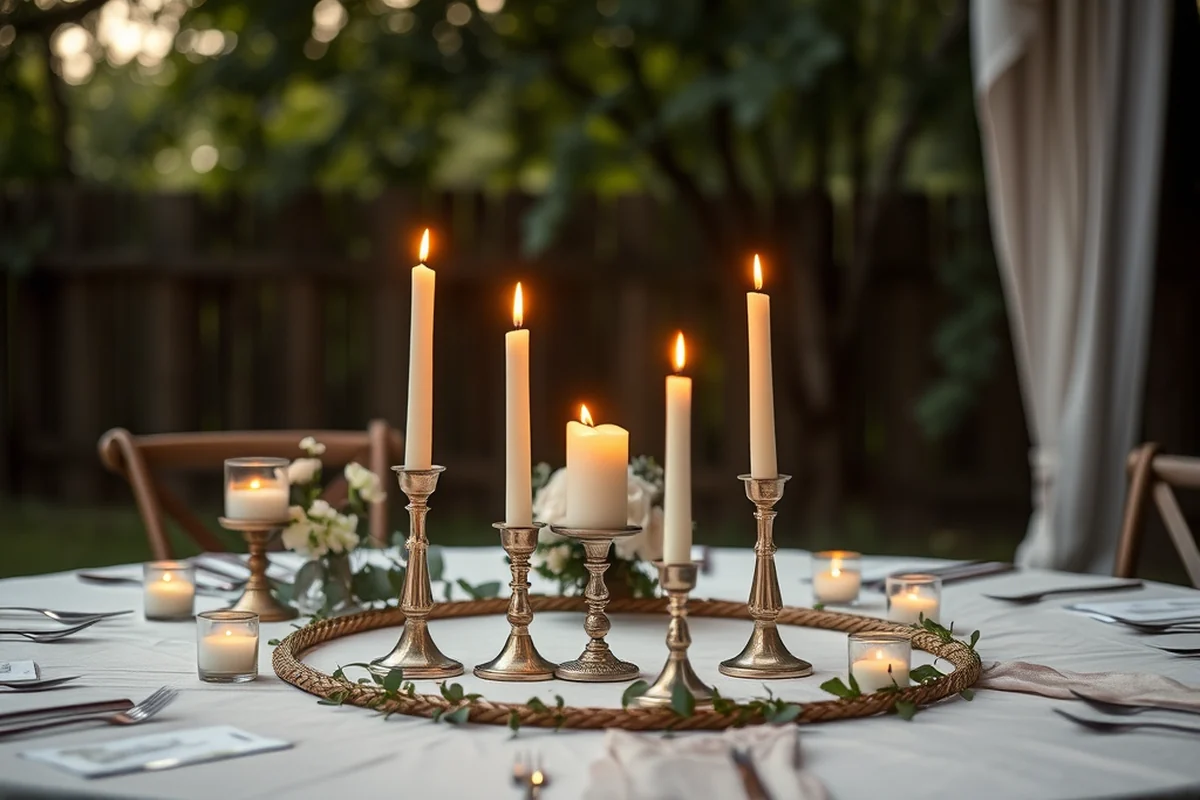
I once underestimated the number of tables needed for my 120 guests and ended up with a very cramped and uncomfortable setup. It was a costly mistake, but it taught me the importance of accurate seating calculations.[2]
For outdoor events, consider using durable, weather-resistant tableware and chairs. Renting from a local vendor can be cost-effective and ensure quality.
I now always plan for at least 10% extra space to accommodate any last-minute changes or unexpected needs, ensuring a smooth and enjoyable experience for all.[3]
Related: Outdoor wedding elopement
Audio and Entertainment
At my wedding, we had a mix of live music and a DJ, which kept the energy high throughout the evening. However, I didn't realize the importance of sound testing until the day of the event.
I recommend having at least two audio setups: one for the ceremony and one for the reception, with backup speakers in case of technical issues. Sound testing in the space before the event is crucial to ensure quality.[4]
Engaging entertainment, such as a live band or a photo booth, can enhance the overall experience and create lasting memories for your guests.
Related: Outdoor wedding planning
Catering and Food Service
I chose a local caterer who specialized in outdoor events and had experience with the specific challenges of our chosen venue. Their setup included a portable kitchen and food service that was both efficient and appealing.
For smaller weddings, consider a food truck or a small catering team that can provide a variety of options. Always make sure they have the right permits and equipment for the event.
The quality and presentation of the food can significantly impact the guest experience, so it's essential to choose a caterer who understands the unique needs of an outdoor wedding.
Great food is the heart of any celebration — especially outdoors.
Related: Wedding processional order
Final Touches and Details
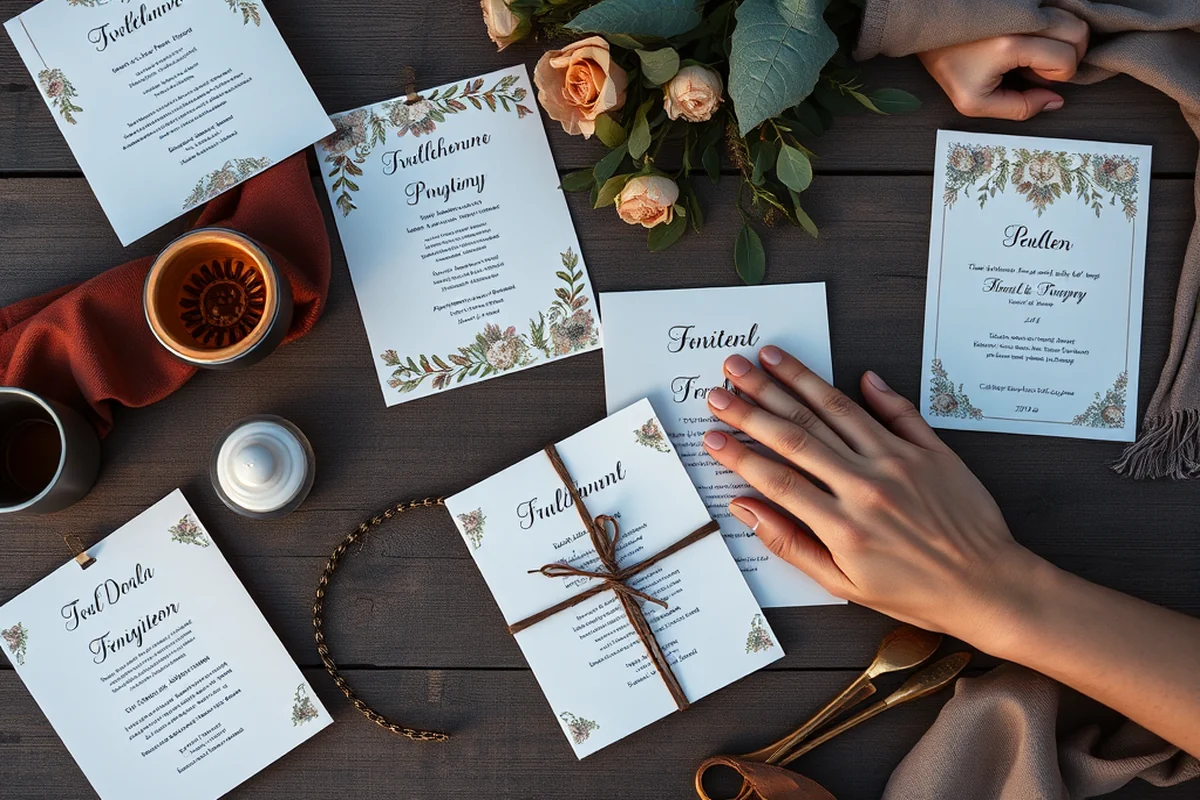
I was surprised by how much the little things — like personalized signage, table centerpieces, and custom invitations — elevated the overall look and feel of my wedding. These details helped create a cohesive and memorable experience.
From flower arrangements to décor, every element should be carefully planned to match your theme and personal style. Consistency in color, texture, and design can make a significant impact on the event's success.
Don't underestimate the power of personal touches. They can transform a simple outdoor wedding into an unforgettable celebration that guests will remember for years to come.
💰 Budget-Friendly Outdoor Wedding
A low-cost outdoor wedding that focuses on simplicity, creativity, and personalization without compromising on quality or charm.
🌿 Small-Space Outdoor Wedding
An intimate outdoor wedding in a small backyard or garden, perfect for close friends and family with a cozy, personal vibe.
🌎 Eco-Friendly Outdoor Wedding
An environmentally conscious wedding that uses sustainable materials, minimizes waste, and supports local vendors and causes.
🌾 Rustic Outdoor Wedding
A charming, country-style wedding with natural elements, wooden décor, and a casual, relaxed atmosphere.
🌆 Modern Outdoor Wedding
A sleek, contemporary outdoor wedding with minimalist design, bold color schemes, and high-tech features like smart lighting and sound systems.
| The mistake | Why it happens | The fix |
|---|---|---|
| Underestimating the cost of outdoor wedding essentials | Not accounting for additional expenses like weather protection, lighting, and permits can lead to unexpected budget overruns. | Create a detailed budget that includes all necessary expenses and allow for a contingency fund to handle any unexpected costs. |
| Ignoring guest comfort | Failing to consider factors like seating, shade, and restrooms can lead to guest discomfort and dissatisfaction. | Plan for adequate seating, shaded areas, and nearby restrooms to ensure the comfort of all your guests. |
| Not having a backup plan for the venue | Relying on a single venue without alternative options can be risky if unexpected issues arise. | Always have a backup plan in place, such as a nearby indoor space or additional equipment like tents and canopies. |
| Overlooking the importance of sound and lighting | Poor sound and lighting can ruin the atmosphere and make the event feel unorganized. | Invest in quality sound and lighting equipment, and test them thoroughly before the event to ensure they work as intended. |
Outdoor Wedding Essentials
Common Questions
What should I consider when choosing an outdoor wedding venue?
How can I prepare for unexpected weather during my wedding?
What are the essentials for lighting at an outdoor wedding?
How can I ensure a smooth seating and table setup for my outdoor wedding?
References
- Weddings in Ascension Chapel | Augustana College (augustana.edu)
- Planning your wedding - Basilica of the Sacred Heart (basilica.nd.edu)
- Plan an Event | Morris Arboretum & Gardens (business-services.upenn.edu)
- All Saints Chapel, Carroll College Wedding Policy (carroll.edu)
Cite this guide
Outdoor Wedding Planning (2026). Outdoor Wedding Essentials. https://eventwalks.com/outdoor-wedding-essentials/
Feel free to cite or share this guide.