
Traditional Wedding Vows

📖 Table of Contents
- The Historical Roots of Traditional Vows
- The Emotional Impact of Traditional Vows
- How to Write Your Own Traditional Vows
- The Role of Ceremony in Traditional Vows
- The Power of Shared Stories in Vows
- The Importance of Practice and Preparation
- The Lasting Impact of Traditional Vows
- Make It Your Way
- Frequently Asked Questions
I remember standing at the altar, my palms slightly damp, my voice trembling as I recited my first traditional wedding vows. It was a moment of pure vulnerability, and yet, it felt like the most natural thing in the world. Traditional wedding vows are more than just words; they're a time-honored ritual that brings couples together in a way that feels deeply personal and enduring. Whether you're planning a ceremony or simply curious about the tradition, these vows have a way of making even the most elaborate event feel intimate and heartfelt.
Traditional wedding vows have been recited for centuries, evolving with culture, time, and personal expression. What remains consistent is their ability to capture the essence of a relationship — from promises of love and loyalty to declarations of partnership and commitment. I've witnessed countless couples craft their own versions of these vows, drawing from family heritage, shared stories, or even the simple truth of why they chose each other. It's remarkable how something so rooted in history can still feel entirely new and real.[1]
As a wedding planner, I've seen the power of traditional vows transform ceremonies from generic events into deeply meaningful occasions. They offer a structure that is both comforting and flexible, allowing couples to express their unique love story within a framework that has stood the test of time. From the first time I helped a couple write their vows in a quiet moment before the ceremony, I've realized that these words are not just spoken — they are felt, remembered, and lived.
Why You'll Love This Article
- Gain insight into the historical roots of traditional wedding vows.
- Learn how to write or personalize vows that resonate with your story.
- Discover practical tips for delivering vows with confidence and emotion.
- Understand the emotional impact of vows on both the couple and their guests.
The Historical Roots of Traditional Vows
As of October 2026, Long before the modern wedding industry, vows were recited in temples, churches, and even in the open air. These early vows often emphasized duty, loyalty, and the merging of families. In medieval Europe, for example, vows were not only about love but also about inheritance and social status. I once read about a 12th-century document where a couple pledged to 'share all things, including the burdens of life and the joys of prosperity.' That kind of language is still relevant today, though often softened to suit modern expectations.
As time passed, religious influences shaped the vows we know today. In the Christian tradition, vows often include promises to 'love, honor, and cherish,' while in Jewish ceremonies, the exchange of rings and the recitation of 'Ezer K’negdo' (helpmate) have deep symbolic meaning. These traditions are not just relics — they offer a rich tapestry of meaning that couples can draw from when crafting their own vows.
Even now, traditional vows serve as a bridge between the past and the present. By understanding their history, couples can add depth and context to their ceremony. I've worked with many clients who found meaning in incorporating elements from their own cultural or family traditions into their vows, making the exchange even more personal.
Research the traditions of your ancestors or family. Even a small reference can make your vows feel deeply connected to your roots.[2]
Part of our Wedding ceremony guide.
The Emotional Impact of Traditional Vows
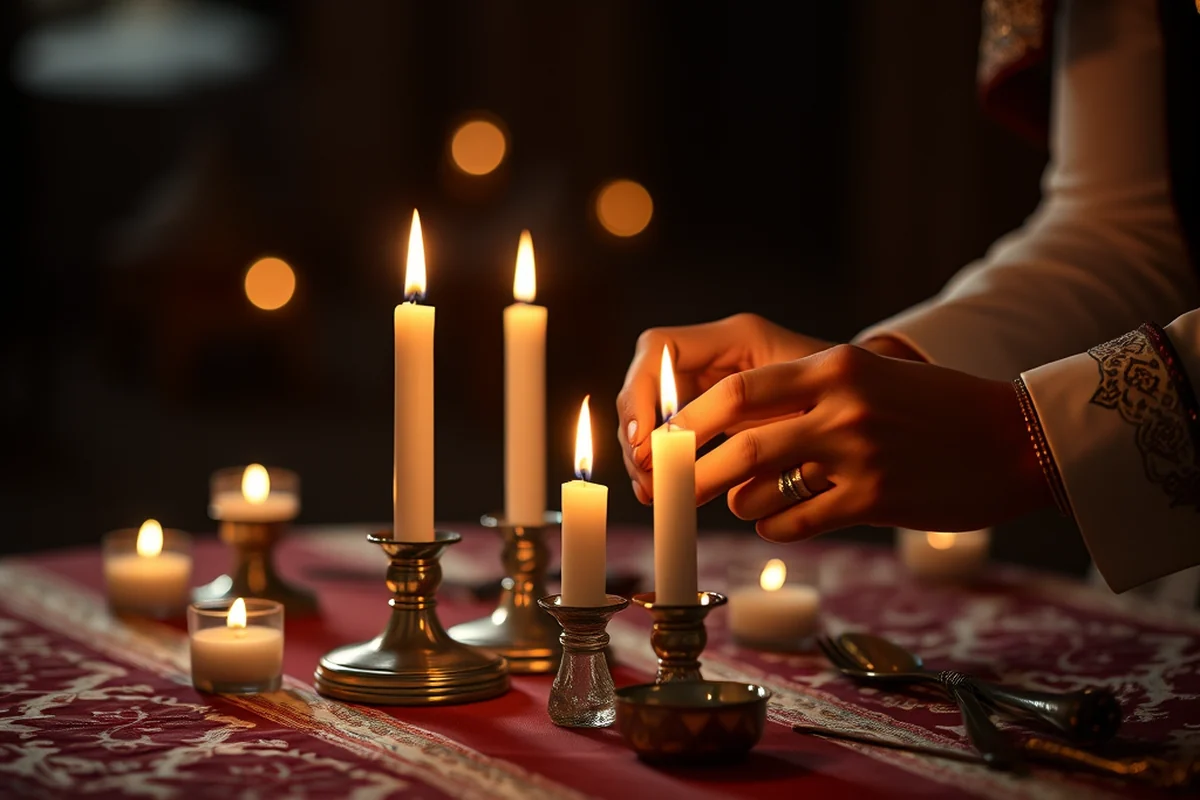
There's something about hearing vows that have been spoken for centuries that feels both timeless and intimate. I've seen guests tear up at the sight of a couple exchanging vows that echo the language of their grandparents or great-grandparents. These words often tap into universal emotions — love, commitment, hope, and fear — and can bring a room full of people together in shared sentiment.
For the couple exchanging vows, traditional language can provide a sense of comfort and structure, especially if they're nervous about speaking from the heart. I once worked with a couple who were both anxious about writing their own vows. They found solace in using a traditional template and adding just a few personal touches. The result was a ceremony that felt both heartfelt and meaningful.
The emotional impact of these vows is not limited to the couple alone. Guests who have attended similar ceremonies often find themselves moved by the sincerity of the words. It's a reminder that love is a universal experience, and hearing it spoken aloud can be both inspiring and humbling.
Love is a language that needs no translation — especially when spoken in the timeless words of tradition.
Related: What is the wedding vows
How to Write Your Own Traditional Vows
Many couples choose to write their own vows even if they're using traditional language. This allows them to personalize the ceremony while still honoring the time-honored tradition. I recommend starting with a list of key words that define your relationship — love, support, partnership, growth, joy, and so on. Then, weave these words into a structure that feels natural and sincere.[3]
It's also important to consider the tone of your vows. Should they be formal, heartfelt, humorous, or a mix of all three? Some couples choose to incorporate family traditions or cultural references into their vows, adding a layer of meaning that resonates with both the couple and their guests. I once worked with a couple who included a verse from a poem that their parents had exchanged at their wedding — the result was both touching and deeply personal.
Don't forget to practice. Rehearsing your vows with your partner (or even with a friend) can help you identify any awkward phrases or emotional hiccups. The goal is to speak from the heart, not to recite a script. A few well-chosen words, delivered with sincerity, can be far more powerful than a lengthy speech.
Use a traditional vow template as a foundation and then personalize it. This gives you structure while allowing room for creativity.
“I remember standing at the altar, my palms slightly damp, my voice trembling as I recited my first traditional wedding vows.”— Outdoor Wedding Planning editors
Related: What to write in wedding card
The Role of Ceremony in Traditional Vows
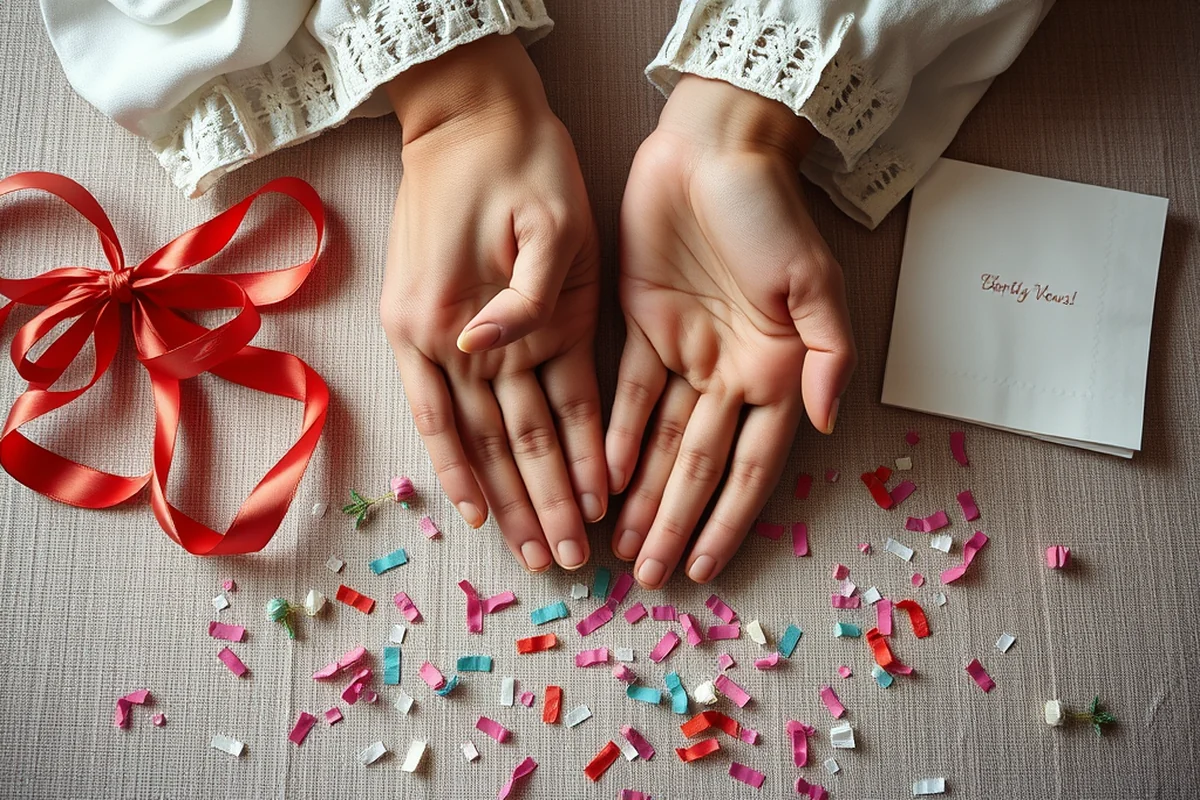
The environment in which vows are exchanged can greatly influence their impact. A ceremony held in a historic church, a quiet garden, or even a family home can enhance the emotional weight of the vows. I once planned a ceremony in a centuries-old chapel, and the solemnity of the space made the vows feel even more profound. The acoustics, lighting, and overall atmosphere can all contribute to the experience.
The structure of the ceremony is also important. In some traditions, the exchange of vows is followed by the exchange of rings, a unity candle, or other symbolic gestures. These elements help to reinforce the promises made during the vows. I've seen couples use a unity sand ceremony after their vows — the merging of sands symbolizing the merging of their lives, and it's a beautiful visual representation of their commitment.
The pacing of the ceremony matters as well. A slow, deliberate pace allows both the couple and the guests to absorb the words and emotions being shared. It's not uncommon for couples to pause after exchanging vows, allowing the moment to sink in. These small pauses can be just as meaningful as the vows themselves.
Related: What s in wedding cake
The Power of Shared Stories in Vows
Many couples find that weaving in specific moments from their relationship — like the first time they met, a shared challenge, or a milestone they've achieved together — adds a unique depth to their vows. These stories help to illustrate the journey they've been on, and why they're choosing to spend their lives together.
Including these moments can also help to connect with guests who may know the couple well. I've seen guests smile, nod, or even tear up as they hear a story that resonates with them. These shared stories create a sense of community, reminding everyone in attendance that this is not just a ceremony for the couple — it's a celebration of love, commitment, and shared history.
I once worked with a couple who included a story about how they met at a mutual friend's birthday party. The story was simple but heartfelt, and it brought their entire audience to tears. It reminded me that the most powerful vows aren't always the longest — sometimes, they're the ones that speak directly from the heart.
Related: A wedding registry
The Importance of Practice and Preparation
Even the most beautifully written vows can be undermined by nerves or uncertainty. I've seen couples who were so anxious about speaking in front of their guests that they ended up fumbling their words or even forgetting parts of their vows. This is why practice is so important. Whether you're doing it with your partner, a friend, or in front of a mirror, rehearsing your vows can help you feel more comfortable and confident.
It's also helpful to think about your body language and tone of voice. Speaking softly and deliberately can help to convey the sincerity of your words, while a hesitant tone might unintentionally undermine the emotional weight of the vows. I've worked with couples who practiced in front of a small group of trusted friends — the feedback helped them refine their delivery and build confidence.
Another tip is to make sure you're well-rested and hydrated on the day of the ceremony. Fatigue and dehydration can affect your voice and focus, so it's a good idea to plan accordingly. A small but impactful detail like this can make a big difference in how your vows are delivered and received.
Practice makes perfect — and in this case, it also makes the heart feel lighter.
Related: Taylor swift wedding 2026
The Lasting Impact of Traditional Vows
Years after the ceremony, couples often reflect on their vows as a reminder of their commitment and the promises they made to each other. These words become a touchstone during difficult times, a source of strength during challenges, and a celebration of love during moments of joy. I've heard from couples who revisit their vows during anniversaries or even in times of uncertainty, finding comfort in the words they once spoke.
For many, the vows are not just a part of the ceremony — they're a living document of their relationship. As the years pass, the language of the vows may evolve, but the core promises remain. This is why it's important to choose words that are both meaningful and flexible enough to endure the test of time.
Traditional vows are more than just a ritual — they're a foundation. They set the tone for the relationship, and they remind the couple of why they chose each other in the first place. Whether they're spoken once or revisited again and again, these words have the power to shape a marriage and define a love that lasts a lifetime.
🌍 Cultural Fusion Ceremony
Merge traditions from different cultures to create a unique, global celebration of love and commitment.
📜 Historical Revival Ceremony
Recreate a ceremony inspired by a specific historical era, from Victorian to Renaissance, for a timeless and elegant event.
🧘 Modern Minimalist Ceremony
Simplify the vows and ceremony structure for a focused, uncluttered event that emphasizes the essence of the relationship.
👨👩👧👦 Intergenerational Ceremony
Invite both young and old generations to share in the ceremony, blending tradition with contemporary perspectives on love and commitment.
✨ Spiritual Unity Ceremony
Create a ceremony that honors spiritual traditions, incorporating elements like prayer, symbolic gestures, and shared mantras.
| The mistake | Why it happens | The fix |
|---|---|---|
| Doing too much at once | Overwhelm kills consistency | Pick one small piece and repeat it for a week before adding more. |
| Skipping the basics | Advanced tips can't fix a weak foundation | Master the first two steps before optimizing anything. |
Traditional Wedding Vows
Common Questions
How can I personalize traditional wedding vows?
Are traditional wedding vows only for religious ceremonies?
Can I use a mix of traditional and modern language in my vows?
How long should traditional wedding vows be?
References
- Interpersonal Violence Among Married and Cohabitating Couples. (files.eric.ed.gov)
- A History of Utah's American Indians, Chapter 7 (historytogo.utah.gov)
- Till Death Do Us Part Marriage (jfd.jacksonms.gov)
Cite this guide
Outdoor Wedding Planning (2026). Traditional Wedding Vows. https://eventwalks.com/traditional-wedding-vows/
Feel free to cite or share this guide.
Outdoor Wedding Checklist
Outdoor-specific wedding checklist filtered by location.
Open it free →