
Wedding Seating Chart
📖 Table of Contents
- Understanding the Importance of a Wedding Seating Chart
- Creating a Balanced Seating Plan
- Incorporating Personal Preferences into the Seating Chart
- Avoiding Common Seating Mistakes
- Maximizing the Use of Space with Your Seating Chart
- Ensuring a Seamless Flow of the Event
- Personalizing the Seating Chart for Your Wedding
- Make It Your Way
- Frequently Asked Questions
I still remember the first time I stood in front of a wedding seating chart and felt the weight of responsibility. It was a summer evening, and I was helping a friend plan her wedding. We had 150 guests, and the seating chart felt like a puzzle with pieces that didn’t quite fit. It was overwhelming, but also oddly satisfying once it all came together. That’s the thing about a wedding seating chart — it’s more than just a list of names. It’s the invisible thread that weaves together the entire event, shaping the mood, the flow, and even the conversations that will happen that night.[1]
A well-crafted wedding seating chart can turn chaos into harmony. It’s not just about placing guests at tables — it’s about creating a space where people feel comfortable, connected, and seen. I’ve seen it done right and wrong, and the difference is huge. One time, I helped a couple assign tables by last names, and it turned into a disaster. Another time, we grouped friends by shared hobbies, and the energy in the room was electric. It’s not just about logistics; it’s about people, and the details matter more than you’d think.
The secret to a great wedding seating chart is knowing your guests — their relationships, their preferences, and even their quirks. I once had a guest who was allergic to a specific type of music, and we made sure to seat them away from the DJ. It’s the small things that make a difference. And while it might seem like a small part of the wedding, the seating chart has a big impact on the overall experience. It’s not just about where people sit; it’s about how they feel. That’s why I want to share everything I’ve learned and tested over the years.[2]
Why You'll Love This Wedding Seating Chart Guide
- It offers a step-by-step approach to creating a personalized seating plan.
- It includes real-life tips and tricks from someone who has planned multiple weddings.
- It highlights the emotional impact of thoughtful seating arrangements.
- It covers a range of scenarios, including small spaces and outdoor events.
Understanding the Importance of a Wedding Seating Chart
As of September 2026, a wedding seating chart is more than just a list of names — it's a strategic tool that can transform the ambiance of your event. When done right, it allows for intentional groupings that foster conversation and comfort. I've seen how a well-planned seating chart can lead to laughter, bonding, and even new friendships among guests. It’s not just about logistics; it’s about creating a welcoming environment where everyone feels included.[3]
I once helped plan a wedding where the bride and groom wanted to ensure that their guests from different parts of the country could connect with one another. By grouping people from similar backgrounds, we created a sense of community. The result? A wedding that felt like a reunion of friends rather than just a party.
A good seating chart also helps avoid awkward silences and uncomfortable groupings. It's the small details that make a big difference. Whether it's seating a shy guest next to a talkative one or keeping a rowdy group separate, every decision matters.
Before you begin, compile a comprehensive guest list. This will help you understand the dynamics of your attendees and make more informed decisions about seating.
Part of our Wedding aisle guide.
Creating a Balanced Seating Plan
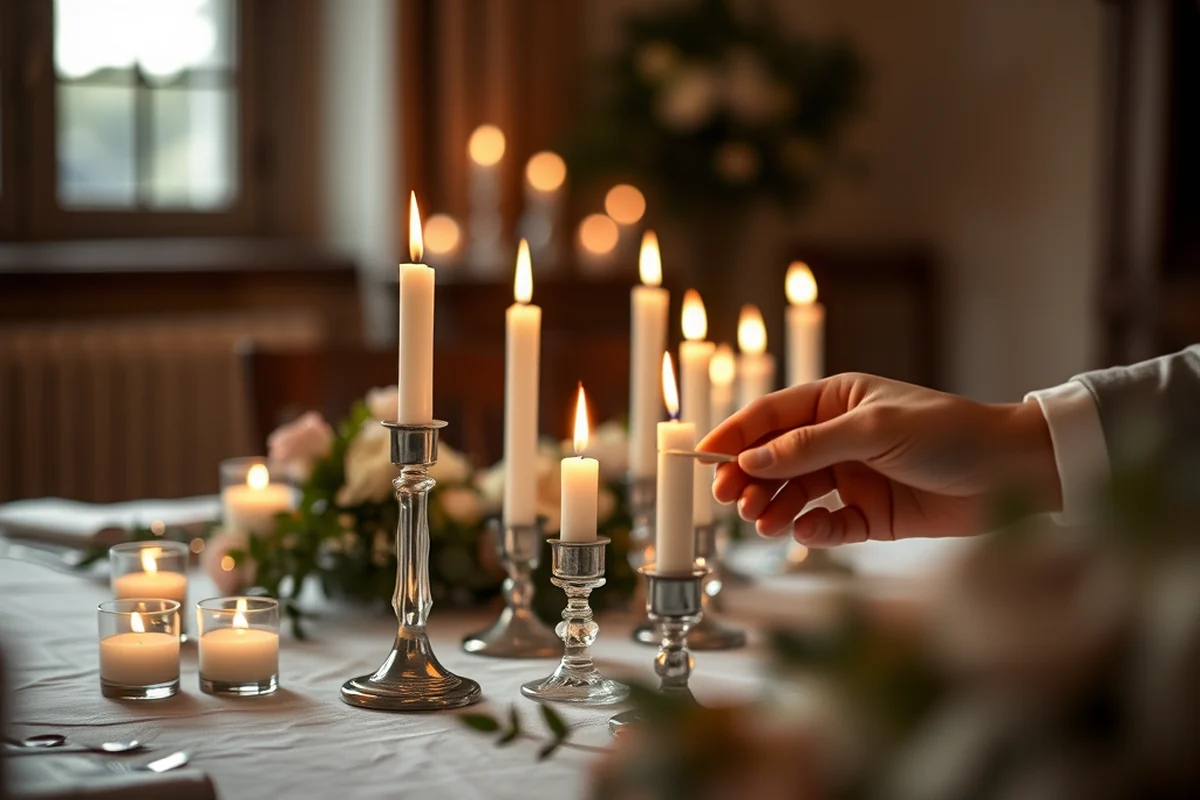
Balancing the seating plan is crucial to ensuring a pleasant experience for all guests. You want to avoid putting two people who don’t know each other at the same table, but you also don’t want to group people who might not get along. I’ve found that a good approach is to mix people from different backgrounds and age groups to encourage conversation.
In one wedding, we intentionally seated a mix of young and older guests together. The result was a lively and engaging dinner where everyone felt included. The energy in the room was amazing, and it was clear that the careful planning had paid off.
Another thing to consider is the size of the tables. You don’t want to overwhelm guests with too many people at a table, nor do you want them to feel isolated. Finding the right balance is key to creating a comfortable and enjoyable environment.
Balance is the key to a successful seating plan.
Related: Outdoor wedding aisle ideas
Incorporating Personal Preferences into the Seating Chart
One of the most important aspects of creating a seating chart is taking into account the personal preferences of your guests. Some people might have specific requests, such as sitting near a friend or avoiding a particular person. I've learned that it's best to be proactive and ask guests about their preferences ahead of time.
At one wedding, a guest requested not to sit next to their ex-partner, which we were able to accommodate. Another guest asked to sit with their parents, which we made sure was possible. These small details can make a big difference in how guests feel about the event.
By taking the time to listen to your guests, you can create a seating plan that feels personal and thoughtful. It shows that you care about their comfort and well-being.
Don’t wait until the last minute to ask about seating preferences. Reach out to your guests in advance and make note of their needs.
“I still remember the first time I stood in front of a wedding seating chart and felt the weight of responsibility.”— Outdoor Wedding Planning editors
Related: Outdoor games wedding
Avoiding Common Seating Mistakes
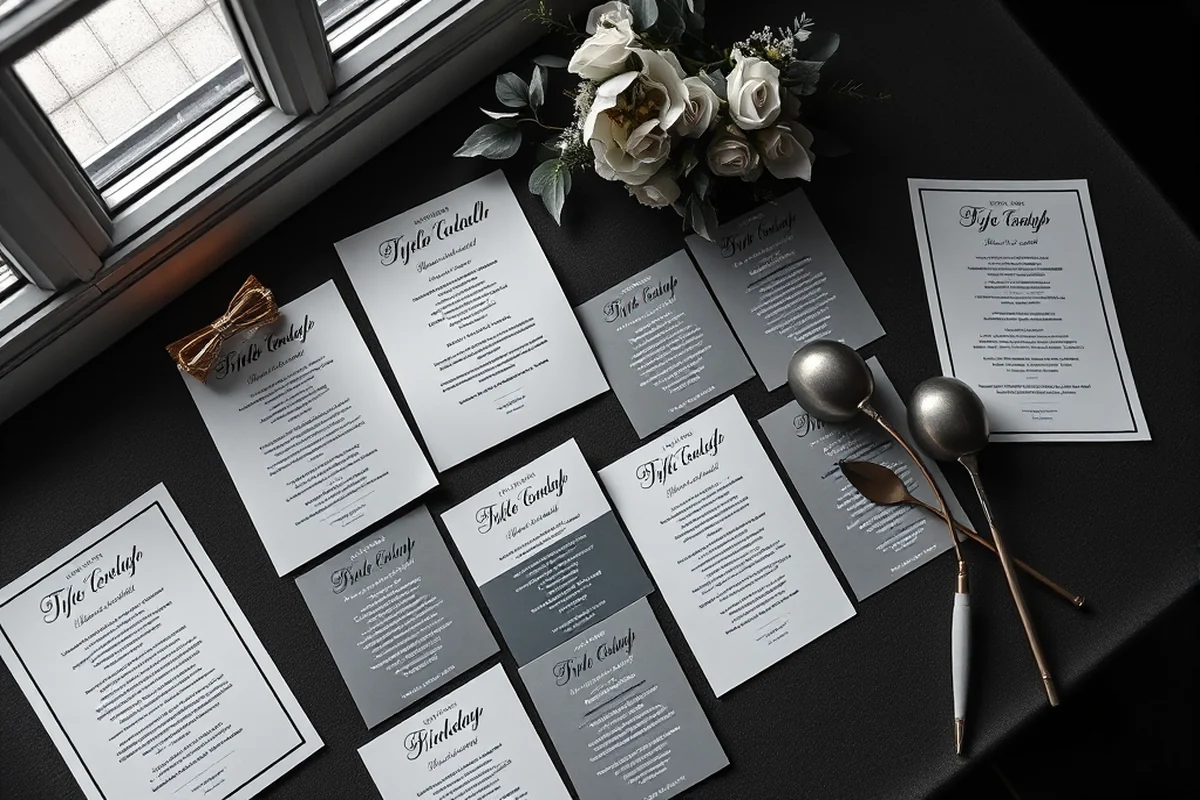
One of the most common mistakes I've seen is not considering the dynamics between guests. For example, seating two people who have a history of conflict at the same table can lead to uncomfortable situations. It’s important to be aware of these dynamics and make adjustments accordingly.
Another mistake is not considering the size of the tables. Too many people at a table can lead to overcrowding, while too few can make guests feel isolated. Finding the right balance is essential to creating a comfortable environment.
I've also seen couples try to seat everyone at the same table, which can lead to a chaotic and overwhelming experience for guests. It’s important to group people in a way that allows for conversation and comfort.
Related: Outdoor wedding aisle runner
Maximizing the Use of Space with Your Seating Chart
When planning a seating chart, it’s important to consider how you can maximize the use of space in your venue. Whether you're hosting an outdoor wedding or a small indoor reception, every inch of space counts. I’ve learned that it’s best to map out the venue and visualize how the seating will fit.
In one outdoor wedding, we had to work with a limited space, so we used a circular layout to create a more intimate feel. This allowed guests to see each other and made the space feel more cohesive. It was a great example of how thoughtful planning can transform a space.
Another tip is to use the space creatively. For example, you can use the front of the venue for the main seating area and leave the back for the bar or a photo booth. This helps to distribute the guests evenly and keeps the flow of the event smooth.
Related: Outdoor wedding games for guests
Ensuring a Seamless Flow of the Event
A well-planned seating chart can help ensure a seamless flow of the event, from the arrival of the guests to the final toast. It's important to consider how guests will move through the space and where they will be seated.
In one wedding, we used a staggered seating plan to avoid overcrowding the main dining area. This allowed for a more relaxed and enjoyable experience for the guests. It was a simple but effective solution that made a big difference.
Another thing to consider is the timing of the event. You want to make sure that the seating plan allows for smooth transitions between different parts of the event, such as the cocktail hour, dinner, and the reception.
A seamless flow is essential for a successful event.
Related: Outdoor wedding games
Personalizing the Seating Chart for Your Wedding
Personalizing the seating chart is a great way to add a unique touch to your wedding. Whether you choose to use a custom design or include personal messages, it’s a way to show your guests that you care about their experience.
In one wedding, the couple used a vintage map as their seating chart, which added a unique and personal touch to the event. It was a hit with the guests and became a memorable part of the wedding.
Another way to personalize the seating chart is to include small notes or messages for each table. This adds a personal touch and makes the guests feel appreciated. It’s a small detail that can make a big difference in the overall experience.
💰 Budget-Friendly Seating
Opt for simple table numbers and a printed chart to save on costs while still ensuring a thoughtful arrangement.
🏠 Small-Space Seating
Use a circular or U-shaped layout to maximize space and create an intimate atmosphere for smaller venues.
🌳 Outdoor Wedding Seating
Incorporate natural elements like wooden tables and rustic chairs to enhance the outdoor ambiance and create a cohesive look.
🎩 Grown-Up Version
Choose a minimalist and elegant seating chart with subtle design elements that reflect a mature and sophisticated wedding style.
🧍 Low-Effort Seating
Keep it simple with basic table numbers and minimal planning to reduce stress while ensuring a functional layout.
| The mistake | Why it happens | The fix |
|---|---|---|
| Not considering the dynamics between guests. | Not considering the dynamics between guests can lead to uncomfortable situations and awkward groupings. | Be proactive and ask your guests about their preferences and any potential conflicts before finalizing your seating chart. |
| Overcrowding the tables. | Overcrowding the tables can make guests feel uncomfortable and overwhelmed. | Ensure that each table has a manageable number of guests, ideally between 6 to 10 people, to create a comfortable and engaging environment. |
| Ignoring the layout of the venue. | Ignoring the layout of the venue can lead to an inefficient use of space and create a chaotic atmosphere. | Map out the venue and visualize how the seating will fit to ensure a smooth and functional flow of the event. |
| Not personalizing the seating chart. | Not personalizing the seating chart can make the event feel generic and impersonal. | Add a personal touch to your seating chart by incorporating unique design elements or adding small notes for each table. |
Wedding Seating Chart
Common Questions
How far in advance should I start planning my seating chart?
Should I consider the age of my guests when creating the seating chart?
What should I do if two of my guests have a conflict?
How can I make my seating chart more personal?
References
- Short Story Contest LCPL - Loudoun County Public Library (library.loudoun.gov)
- Secretary Rubio and Colombian President Abelardo De La Espriella ... (state.gov)
- Creating the Optimal Wedding Seating Chart - DigitalCommons@UNO (digitalcommons.unomaha.edu)
Cite this guide
Outdoor Wedding Planning (2026). Wedding Seating Chart. https://eventwalks.com/wedding-seating-chart/
Feel free to cite or share this guide.