
What Is A Traditional Wedding Dress

📖 Table of Contents
- The History of Traditional Wedding Dresses
- Key Characteristics of a Traditional Wedding Dress
- Cultural Variations in Traditional Wedding Dresses
- The Role of Symbolism in Traditional Wedding Dresses
- Choosing the Right Traditional Wedding Dress for You
- Preserving and Caring for a Traditional Wedding Dress
- Modern Twists on Traditional Wedding Dresses
- Make It Your Way
- Frequently Asked Questions
I remember the day I stood in front of a full-length mirror, my heart racing as I watched my wedding dress shimmer under the soft light of the boutique. It wasn’t just any dress—it was a traditional wedding dress, with a bodice hand-stitched by a seamstress who had been in the business for over 40 years. That moment, the way the fabric felt against my skin and the way the dress draped so perfectly, solidified the importance of understanding what a traditional wedding dress really is. It’s not just about looking beautiful; it’s about history, symbolism, and the way a dress can carry the weight of generations.
Traditional wedding dresses are more than just a fashion statement—they are a cultural artifact, a symbol of love, commitment, and heritage. The first time I saw a traditional wedding dress, I was struck by the intricate details: the lace, the embroidery, the way the neckline was tailored to fit the bride’s silhouette. These dresses often tell a story, and they’re not just worn by the bride—they’re a legacy passed down through families, sometimes even preserved in family heirlooms. It’s fascinating how something so delicate can hold such deep meaning.[1]
What is a traditional wedding dress? To me, it’s the culmination of craftsmanship, tradition, and personal expression. I’ve spent years working with wedding planners and designers, and I’ve learned that the traditional wedding dress is not a one-size-fits-all concept. It varies by culture, region, and even family. Some brides opt for a white gown with a high neckline, while others prefer a more modest, intricate design. What remains consistent, however, is the emotional weight these dresses carry and the way they help define the moment of a lifetime.
Why You'll Love This Guide to Traditional Wedding Dresses
- Discover the cultural significance behind traditional wedding attire.
- Understand the key elements that define a traditional wedding dress.
- Learn how to choose a dress that reflects your heritage and personal style.
- Get practical advice on sourcing and preserving a traditional wedding dress.
The History of Traditional Wedding Dresses
As of November 2026, the origins of the traditional wedding dress can be traced back to ancient cultures, where clothing often served as a status symbol. In medieval Europe, for example, brides wore dark dresses to symbolize purity, while in Asia, silk and intricate embroidery were used to denote wealth and lineage. These traditions have continued to evolve, but the core idea remains: a wedding dress is a reflection of the bride’s background and the values she upholds.
In many cultures, the wedding dress is not just about the bride’s individual style but also about family heritage. Some brides wear dresses passed down through generations, each one telling a story and preserving a piece of family history. I’ve met brides who have worn their grandmother’s wedding dress, and each time, the significance of that moment is deeply felt by everyone present.
Understanding the history of traditional wedding dresses can help you make a more informed choice. Whether you’re looking to honor your roots or incorporate elements from your heritage, knowing the story behind your dress can add a layer of meaning to your wedding day.
Take some time to research your family’s wedding traditions. You might be surprised by the stories and symbols that have been passed down through generations. (13355, blog.statemuseum.nd.gov)[2]
Part of our Wedding ceremony guide.
Key Characteristics of a Traditional Wedding Dress
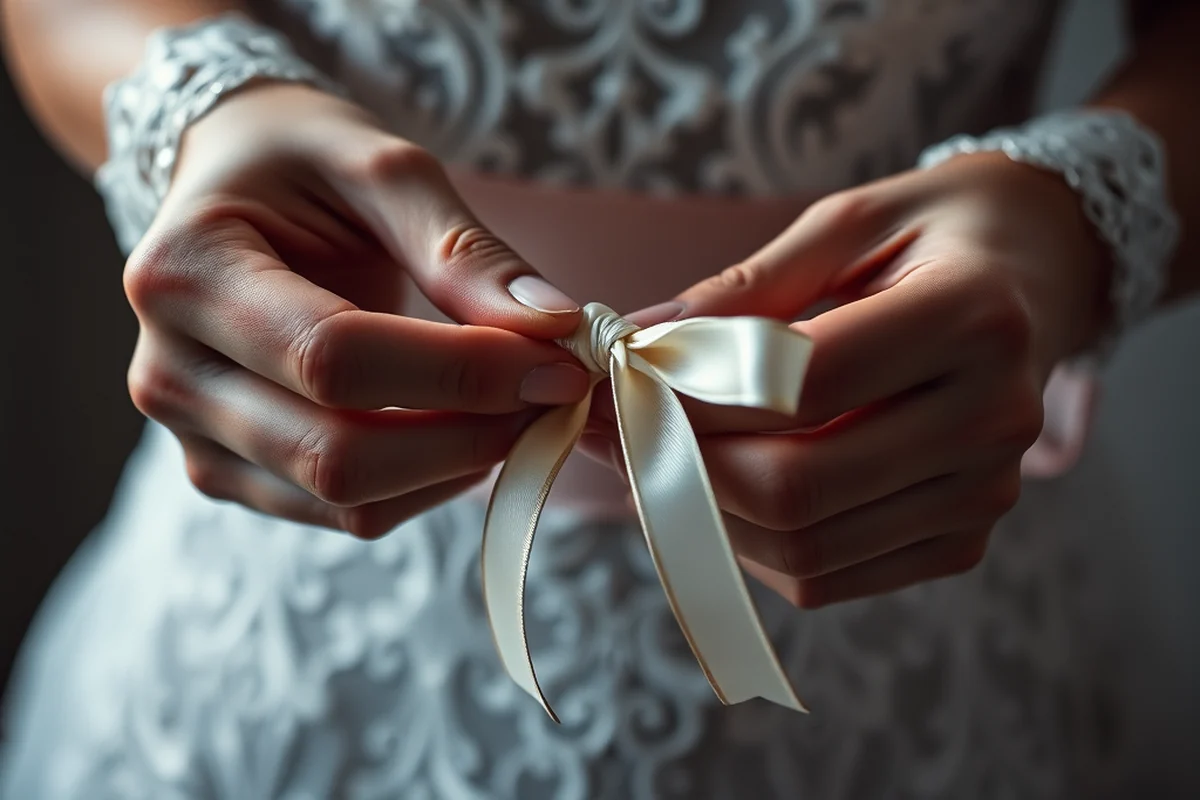
One of the most defining characteristics of a traditional wedding dress is the use of lace and beading. These elements not only add visual appeal but also carry symbolic meaning in many cultures. I’ve seen brides who opted for hand-beaded gowns with motifs that represented their family’s heritage, such as flowers, animals, or even entire coat of arms designs.
Another key feature is the silhouette. Traditional wedding dresses often have high necklines, long sleeves, and structured bodices, which are seen as more modest and elegant. These designs are particularly common in cultures that place a strong emphasis on modesty and formality during the wedding ceremony.
In addition to these elements, traditional wedding dresses are often made from high-quality fabrics such as silk, satin, and taffeta, which are known for their durability and luxurious feel. These fabrics ensure that the dress not only looks beautiful but also feels comfortable and flows gracefully on the bride’s body.
Tradition isn’t just about the past—it’s about honoring the present and shaping the future.
Related: What is a wedding shower
Cultural Variations in Traditional Wedding Dresses
Across the world, traditional wedding dresses are as diverse as the cultures they originate from. In Japan, for example, brides often wear a white kimono with intricate embroidery, while in India, the traditional wedding attire for women is a heavily adorned sari, often in red or gold, symbolizing prosperity and happiness.
In many African countries, traditional wedding attire for women includes brightly colored garments with patterns that signify the bride’s tribe or family. These designs are often handwoven and are passed down as family heirlooms, adding to their cultural significance.
Understanding these variations can be incredibly helpful, especially if you’re planning a destination wedding or incorporating elements from multiple cultures into your ceremony. Knowing what to expect can help you make choices that are both respectful and meaningful.
If you’re blending elements from different cultures, be sure to do your research and consult with cultural experts or family members to ensure that your choices are respectful and authentic.
“I remember the day I stood in front of a full-length mirror, my heart racing as I watched my wedding dress shimmer under the soft…”— Outdoor Wedding Planning editors
Related: Wedding shower gifts
The Role of Symbolism in Traditional Wedding Dresses
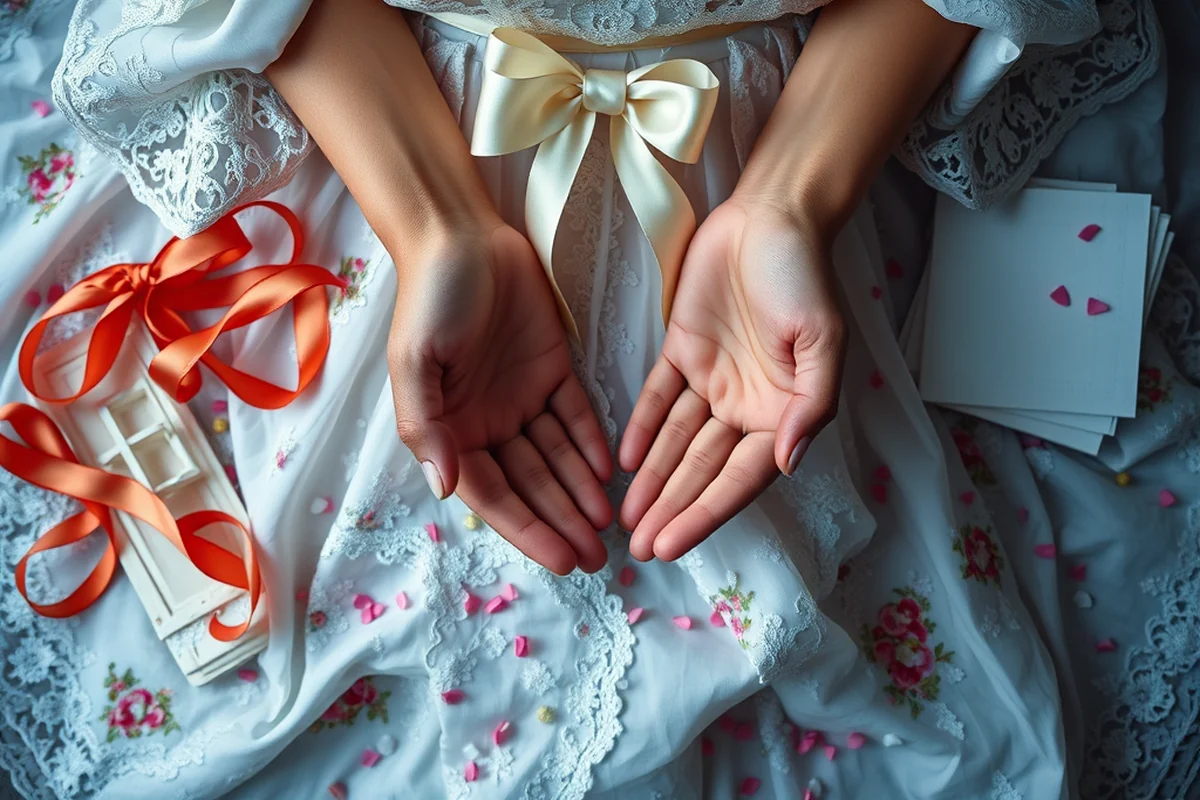
In many cultures, the color of the wedding dress holds deep symbolic meaning. For example, in Western traditions, white is associated with purity and innocence, while in other cultures, red or gold is used to signify luck, prosperity, and happiness. These colors are not just aesthetic choices—they are meaningful decisions that reflect the bride’s values and the expectations of her family.
The choice of fabric, patterns, and embroidery also carries symbolic weight. In some cultures, specific patterns are believed to bring good fortune to the couple, while in others, the placement of certain elements, such as a heart-shaped motif, is seen as a sign of love and commitment.
By understanding the symbolism behind traditional wedding dresses, brides can make choices that are not only beautiful but also deeply meaningful. These choices can help create a wedding day that is both personal and rich in tradition.
Related: What is the wedding in cana
Choosing the Right Traditional Wedding Dress for You
When choosing a traditional wedding dress, it’s important to consider your heritage and what aspects of your culture you want to honor. Whether you’re selecting a family heirloom or working with a designer to create a custom piece, your personal story should be at the center of your decision.
Your personal style also plays a key role in the selection process. While traditional wedding dresses often have specific elements, there is still room for personal expression. For example, you might choose to incorporate modern silhouettes or minimalist designs while still honoring traditional elements.
The right traditional wedding dress for you is one that makes you feel confident, beautiful, and connected to your roots. Taking the time to explore your options and consult with experts can help you find a dress that truly reflects who you are.[3]
Related: What is the wedding party about
Preserving and Caring for a Traditional Wedding Dress
After your wedding, it’s important to take steps to preserve your traditional wedding dress. One of the most effective ways to do this is to have the dress professionally cleaned and stored in a climate-controlled environment. This helps prevent damage from humidity, dust, and light exposure.
If you plan to pass the dress down to a family member, it’s a good idea to have it dry-cleaned and stored in a protective garment bag. This will help maintain the fabric’s integrity and ensure that it can be worn again in the future.
Preserving a traditional wedding dress is not just about protecting the fabric—it’s about preserving a piece of your family’s history. By taking care of your dress, you’re ensuring that it will continue to be a meaningful part of your family’s legacy for generations to come.
A dress is more than fabric and thread—it’s a memory waiting to be cherished.
Related: Wedding processional order template
Modern Twists on Traditional Wedding Dresses
In recent years, there has been a growing trend toward blending traditional wedding dress elements with modern silhouettes and fabrics. For example, some brides are choosing to wear traditional lace and beading in a more minimalist, modern design, while others are incorporating contemporary details such as asymmetrical hems or unique color palettes.
This approach allows brides to honor their heritage while still making a personal statement. It’s a way to show that tradition can be both beautiful and flexible, adapting to the changing times and the bride’s individual style.
Whether you’re looking to create a completely modern take on a traditional design or simply want to incorporate a few elements from your heritage, there are many ways to make your wedding dress uniquely yours while still respecting the traditions that have shaped your family’s history.
👗 Cultural Heritage Dress
A wedding dress rooted in the bride’s cultural traditions, often passed down through generations as a family heirloom.
✨ Minimalist Traditional Dress
A modern interpretation of traditional wedding elements, featuring clean lines and subtle details that honor heritage without overwhelming the design.
🌿 Outdoor Traditional Dress
A traditional wedding dress designed for an outdoor ceremony, incorporating lightweight fabrics and natural elements like lace and floral patterns.
👑 Grown-Up Version of Traditional Dress
A more mature and sophisticated take on traditional wedding dress designs, often featuring intricate detailing and timeless silhouettes.
🪡 Low-Effort Traditional Dress
A traditional wedding dress that is easy to care for and wear, with designs that are both elegant and practical for everyday preservation.
| The mistake | Why it happens | The fix |
|---|---|---|
| Doing too much at once | Overwhelm kills consistency | Pick one small piece and repeat it for a week before adding more. |
| Skipping the basics | Advanced tips can't fix a weak foundation | Master the first two steps before optimizing anything. |
What Is A Traditional Wedding Dress
Common Questions
Can I wear a traditional wedding dress if I’m not from a specific culture?
How do I find a traditional wedding dress that fits my heritage?
Are there any specific colors I should consider for a traditional wedding dress?
What are the best ways to preserve a traditional wedding dress for future generations?
References
- Museum Education and Yemeni American Children's Immigrant ... (files.eric.ed.gov)
- Beyond “Mrs. Husband's Name”: Researching Women's Full Names (blog.statemuseum.nd.gov)
- Wedding Dress Silhouette Guide (jfd.jacksonms.gov)
Cite this guide
Outdoor Wedding Planning (2026). What Is A Traditional Wedding Dress. https://eventwalks.com/what-is-a-traditional-wedding-dress/
Feel free to cite or share this guide.
Outdoor Wedding Checklist
Outdoor-specific wedding checklist filtered by location.
Open it free →