
What Is an Indian Wedding Dress and What Makes It Unique

📖 Table of Contents
- What Makes an Indian Wedding Dress Unique?
- The Evolution of the Indian Wedding Dress
- The Symbolism Behind Colors and Embellishments
- How to Choose the Right Indian Wedding Dress for You
- The Role of the Bridal Outfit in the Wedding Ceremony
- The Importance of the Bridal Jewelry
- How to Coordinate Your Wedding Party's Outfits
- Make It Your Way
- Frequently Asked Questions
I still remember the first time I saw an Indian wedding dress up close — it was during a family gathering in Jaipur, where the air was thick with the scent of marigolds and the sound of distant drums. The bride, adorned in a lehenga with a gold zari embroidery so intricate it seemed like it had been woven by the gods, walked in with the kind of grace that made the entire room hold its breath. That moment cemented in my mind what an Indian wedding dress truly is: a symbol of tradition, celebration, and the deep cultural roots that bind a family together.[2]
An Indian wedding dress is more than just fabric and thread; it's a visual narrative that tells the story of a couple's journey through life. Whether it's a simple silk saree or a heavily embellished ghagra, every element of the dress is intentional, from the color symbolism to the placement of mirrors that are believed to bring good luck. These dresses are not just worn by the bride, but by the entire wedding party — aunts, cousins, and even the groom's family — all playing a part in the grand tapestry of the ceremony.[3]
What makes an Indian wedding dress truly unique is the way it bridges the past and present, honoring centuries-old customs while evolving with modern tastes. I've seen brides in Jaipur wear a chikankari saree with a contemporary cut, and others in Delhi go for a fusion lehenga with a tailored jacket. Each style carries its own charm, but they all share one thing in common: they are a celebration of love, family, and the vibrant spirit of India.
Why You'll Love This Article on Indian Wedding Dresses
- Discover the deep cultural significance behind each design element
- Learn how to choose a style that fits your heritage and personal taste
- Get tips on how to coordinate your wedding party's outfits with the bride's dress
- Understand the symbolism behind colors, fabrics, and embellishments
What Makes an Indian Wedding Dress Unique?
As of November 2026, from the moment the bride steps into the ceremony, her dress becomes a statement of identity and heritage. The lehenga, for example, is a three-piece ensemble consisting of a skirt, a blouse, and a dupatta, each with its own significance. The skirt is often made of rich fabrics like silk or net, while the blouse is tailored with intricate embroidery. The dupatta, which is draped over the head and shoulders, is a symbol of modesty and grace.
Color plays a crucial role in Indian wedding dresses, with red being the most popular choice. Red symbolizes prosperity, fertility, and the burning of negative energy, making it a favorite for brides. However, other colors like gold, green, and even pastel shades are also used, depending on the region and the family's traditions. In some parts of India, a white saree is considered auspicious for the bride on her wedding day.
The craftsmanship involved in creating an Indian wedding dress is unparalleled. I once visited a tailor in Varanasi who spent over 100 hours hand-stitching a single lehenga with gold thread. Each piece is a labor of love, and the result is a garment that is not only beautiful but also deeply meaningful.[1]
If you're planning a summer wedding, opt for breathable fabrics like georgette or cotton. For winter weddings, silk or velvet will keep you warm and elegant.
Part of our Wedding ceremony guide.
The Evolution of the Indian Wedding Dress
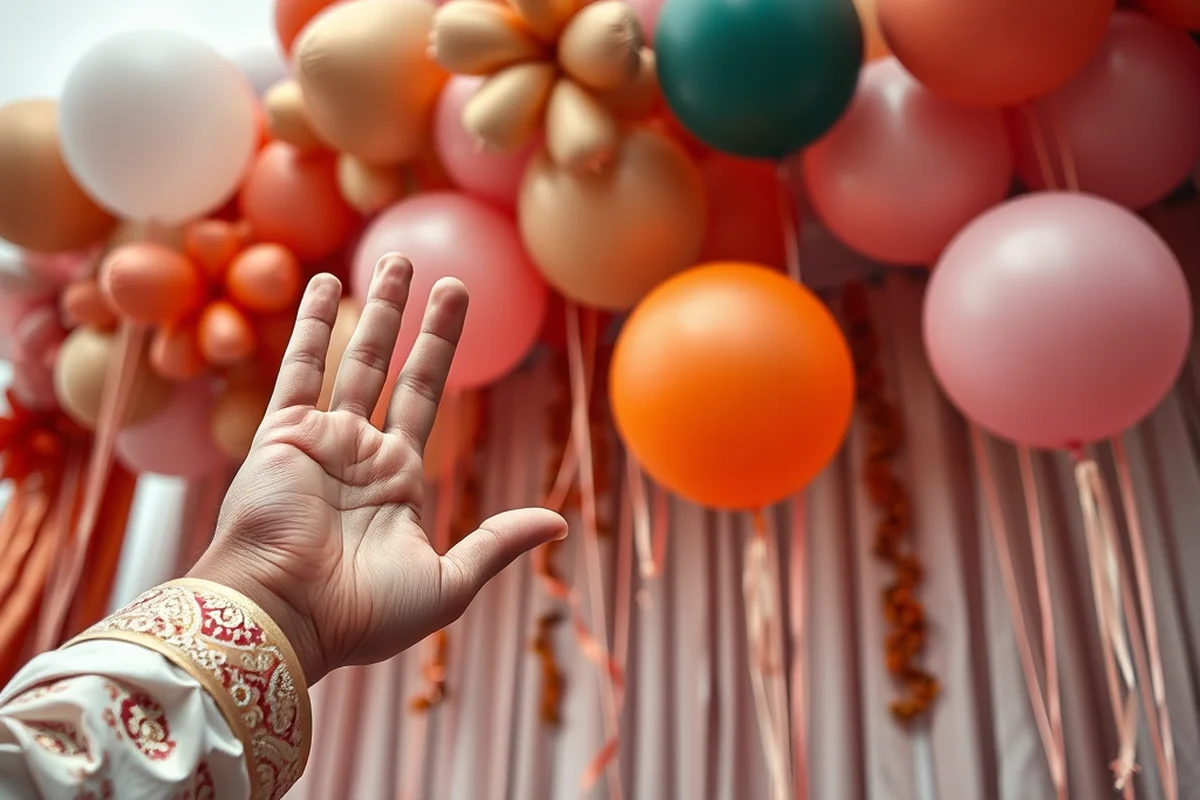
Historically, Indian wedding dresses were simple and modest, made from locally available materials. However, with the influence of Bollywood and international fashion, the designs have become more elaborate and diverse. Today, you can find everything from classic sarees to Western-style gowns with Indian embroidery.
One of the most popular trends in recent years is the fusion dress, which combines elements of traditional Indian attire with Western silhouettes. These dresses are perfect for brides who want to honor their heritage while embracing modern fashion. A fusion lehenga with a tailored jacket or a saree paired with a crop top are just a few examples.
Despite these changes, the core elements of an Indian wedding dress — such as the use of mirrors, zari embroidery, and the inclusion of a dupatta — remain unchanged. These elements are not only beautiful but also deeply symbolic, making them an essential part of the dress.
Fashion is a form of self-expression, but in an Indian wedding, it's also a way of honoring tradition.
Related: Taylor swift wedding
The Symbolism Behind Colors and Embellishments
Red is the most common color for an Indian wedding dress, as it represents love, prosperity, and the burning away of bad luck. However, other colors are also used depending on the region and the family's traditions. In some parts of India, a white saree is considered auspicious for the bride on her wedding day.
Embroidery is another essential element of an Indian wedding dress. Zari, which is a type of metallic thread, is often used to create intricate patterns that symbolize prosperity and good fortune. Mirrors are also commonly used in Indian wedding dresses, as they are believed to bring happiness and ward off evil spirits.
The use of mirrors, zari, and other embellishments is not just for aesthetics; it's a way of telling a story. Each pattern and color carries a different meaning, and the combination of all these elements creates a dress that is truly unique.
When choosing an Indian wedding dress, don't be afraid to ask your tailor or designer about the symbolism behind the embellishments. This can help you make a more meaningful choice.
“I still remember the first time I saw an Indian wedding dress up close — it was during a family gathering in Jaipur, where the…”— Outdoor Wedding Planning editors
Related: What is formal attire for a wedding
How to Choose the Right Indian Wedding Dress for You
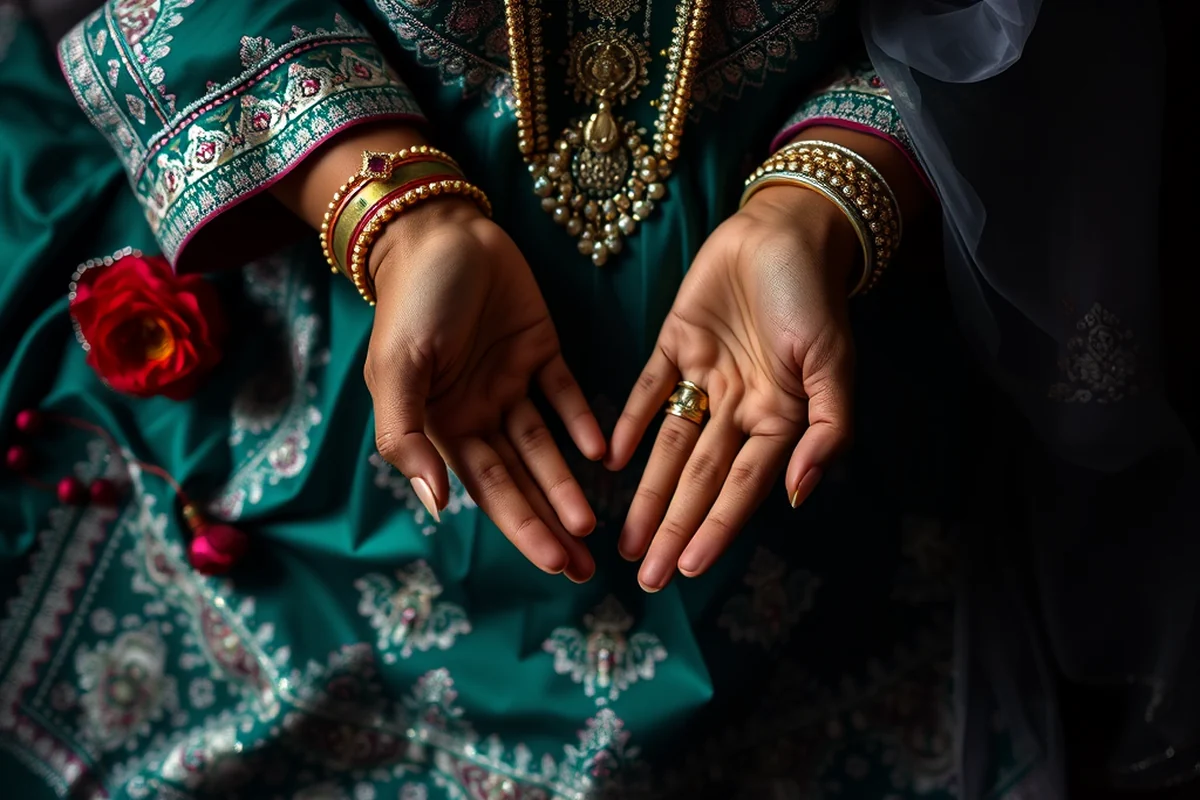
If you're planning a large wedding, you'll likely want a more elaborate dress with lots of embellishments and rich fabrics. For a smaller, more intimate wedding, a simpler saree or lehenga may be more appropriate. It's also important to consider the time of year, as certain fabrics may be more comfortable in hot or cold weather.
Another important factor to consider is the size of your wedding party. If you're having a large number of guests, you may want to coordinate your wedding party's outfits with your own dress. This can be a beautiful way to create a cohesive look that honors your heritage.
The best Indian wedding dress for you is one that makes you feel confident and beautiful. Whether you choose a traditional saree or a fusion lehenga, the most important thing is that you feel comfortable and happy in your dress on your special day.
Related: What s in italian wedding cake
The Role of the Bridal Outfit in the Wedding Ceremony
In many Indian weddings, the bride wears different outfits throughout the ceremony. For example, she may wear a red lehenga for the main ceremony and a white saree for the reception. This is a way of symbolizing the transition from one phase of life to another.
The groom's outfit is also important, though it is not as elaborate as the bride's. Traditionally, the groom wears a sherwani or a suit with a turban, both of which are symbols of respect and tradition. However, in modern Indian weddings, the groom may choose to wear a fusion outfit that combines traditional and Western elements.
The bridal outfit is not just a way to look beautiful; it's also a way to honor the family's traditions and the cultural significance of the wedding. Every element of the dress is carefully chosen to create a look that is both meaningful and stunning.
Related: What wedding attire
The Importance of the Bridal Jewelry
In an Indian wedding, the bride is often adorned with a variety of jewelry, including necklaces, earrings, bangles. A special piece called a 'mangalsutra.' This jewelry is not just for beauty; it is also a way of symbolizing the union between the bride and groom.
The 'mangalsutra' is a sacred piece of jewelry that is tied around the bride's neck by the groom during the ceremony. It is made of gold and black thread and is believed to represent the couple's lifelong bond. Other pieces of jewelry, such as the 'jhumkas' (earrings), are also symbolic, with the large size representing the couple's prosperity and happiness.
Bridal jewelry is often passed down through generations, with each piece carrying its own history and meaning. This is a beautiful way to connect the bride to her family's traditions and to honor the legacy of the wedding.
Jewelry is not just an accessory — in an Indian wedding, it's a symbol of love and tradition.
Related: What to write in wedding vows
How to Coordinate Your Wedding Party's Outfits
When planning your wedding, it's important to consider how your wedding party's outfits will complement the bride's dress. For example, if the bride is wearing a red lehenga, her bridesmaids may wear similar colors in different shades or with different levels of embellishment.
The groom's party should also be coordinated, with the groom's best men wearing suits or sherwanis that match the overall color scheme. This helps create a unified look that is both elegant and meaningful.
Another important consideration is the level of formality of the wedding. For a more traditional wedding, the wedding party may wear outfits that are similar to the bride's. For a more modern wedding, the outfits can be more varied, as long as they still complement the bride's dress.
👗 Traditional Saree
A classic choice for brides who want to honor their heritage with a timeless, elegant look.
💃 Fusion Lehenga
A modern take on the traditional lehenga, blending Indian and Western fashion elements for a stylish look.
👰 Small-Space Wedding Outfit
A minimalist yet elegant dress that is perfect for small weddings or destination weddings with limited space.
✨ Grown-Up Version
A sophisticated and mature look that is ideal for older brides who want to make a statement with their wedding attire.
🌟 Low-Effort Wedding Dress
A simple and easy-to-wear dress that is perfect for brides who want to look beautiful without the hassle of a highly detailed outfit.
| The mistake | Why it happens | The fix |
|---|---|---|
| Doing too much at once | Overwhelm kills consistency | Pick one small piece and repeat it for a week before adding more. |
| Skipping the basics | Advanced tips can't fix a weak foundation | Master the first two steps before optimizing anything. |
What Is An Indian Wedding Dress
Common Questions
What are the different types of Indian wedding dresses?
What is the significance of red in an Indian wedding dress?
Can I wear a white saree on my wedding day?
What is the role of the dupatta in an Indian wedding dress?
References
- (PDF) Indian Wedding Attires: A Language of Culture and Tradition (academia.edu)
- A Cross-Cultural Study of Wedding Motivations in the Keralite Indian ... (scholarcommons.sc.edu)
- Indian wedding clothes - Wikipedia (en.wikipedia.org)
Cite this guide
Outdoor Wedding Planning (2026). What Is an Indian Wedding Dress and What Makes It Unique. https://eventwalks.com/what-is-an-indian-wedding-dress/
Feel free to cite or share this guide.
Outdoor Wedding Checklist
Outdoor-specific wedding checklist filtered by location.
Open it free →