
What Does Formal Attire Mean For A Wedding

📖 Table of Contents
- Understanding the Concept of Formal Attire
- The Role of Formal Attire in Setting the Wedding’s Tone
- Formal Attire for Men: What to Wear
- Formal Attire for Women: What to Wear
- Choosing the Right Color for Formal Attire
- Accessories and Footwear for Formal Attire
- Formal Attire for Different Types of Weddings
- Make It Your Way
- Frequently Asked Questions
I still remember the first time I stood in front of the mirror, staring at my black tuxedo and wondering if I was overthinking the whole thing. It was my best friend's wedding, and I was supposed to wear 'formal attire.' But what does formal attire mean for a wedding, really? I had never been to a wedding that required such a specific level of dress, and I was confused about how to interpret the dress code. Was it just about the color of the suit? The type of shirt? The shoes? It wasn’t until I sat down with a professional wedding planner and walked through the nuances of formal attire that I began to understand what was expected. This article is for anyone who has ever asked themselves that same question.[2]
Formal attire for a wedding isn’t just a fashion statement—it’s a reflection of the occasion’s gravity, the venue’s formality, and the couple’s expectations. Whether you’re the guest of honor or a close friend, knowing what formal attire means for a wedding can prevent awkward moments, mismatched outfits, and unnecessary stress. I’ve attended countless weddings, and I’ve seen the same mistakes repeated over and over. A tailored suit can make a difference, and so can the right pair of shoes. But how do you know what's appropriate? Let’s break it down together.[3]
For me, understanding formal attire became a turning point in my approach to weddings. I started to see it as a chance to dress with intention, to feel confident, and to align with the tone of the event. Whether it's a grand ballroom wedding or a more intimate affair, the level of formality in the attire should match the event’s atmosphere. That’s why I’ve taken the time to gather practical insights, real-world experiences, and even a few tips that have worked for me and others I know. Let’s dive in and demystify what formal attire means for a wedding.[4]
Why You'll Love This Article on Formal Attire for Weddings
- Gain clarity on what formal attire really means for a wedding, from suits to gowns.
- Learn how to choose the right outfit that aligns with the event’s formality and the couple’s preferences.
- Discover insider tips on tailoring, color choices, and accessories from real wedding experiences.
- Avoid common mistakes that could lead to awkward moments or mismatched looks.
Understanding the Concept of Formal Attire
As of November 2026, Formal attire is not a one-size-fits-all category. It can range from a classic black tuxedo for men to an elegant floor-length gown for women. The key is that it should be polished, well-fitted, and appropriate for the setting. At a formal wedding, guests are expected to dress in a way that reflects the solemnity and elegance of the occasion. I remember one wedding where the dress code was 'black tie,' and it was surprising how many people showed up in just a suit without a tuxedo—something that didn’t quite fit the occasion.[5]
The concept of formal attire can also vary depending on the region and cultural expectations. In some cultures, formal attire might include traditional clothing or specific colors that are considered appropriate for such an event. For example, in certain Asian weddings, a white dress might not be acceptable, and guests are expected to wear something more vibrant or subdued, depending on the customs. It's important to be aware of these nuances to avoid unintentional disrespect.
One of the most important things to consider when choosing formal attire for a wedding is the venue. A reception in a grand ballroom will likely require a more formal look than a beach wedding with a relaxed dress code. I once attended a wedding at a boutique hotel where the dress code was 'smart casual,' and many guests over-dressed in suits and gowns. Felt out of place for the venue’s vibe.
Before you buy that tuxedo or rent that gown, double-check the dress code. If it’s unclear, reach out to the couple or venue for clarification.
Part of our Wedding ceremony guide.
The Role of Formal Attire in Setting the Wedding’s Tone
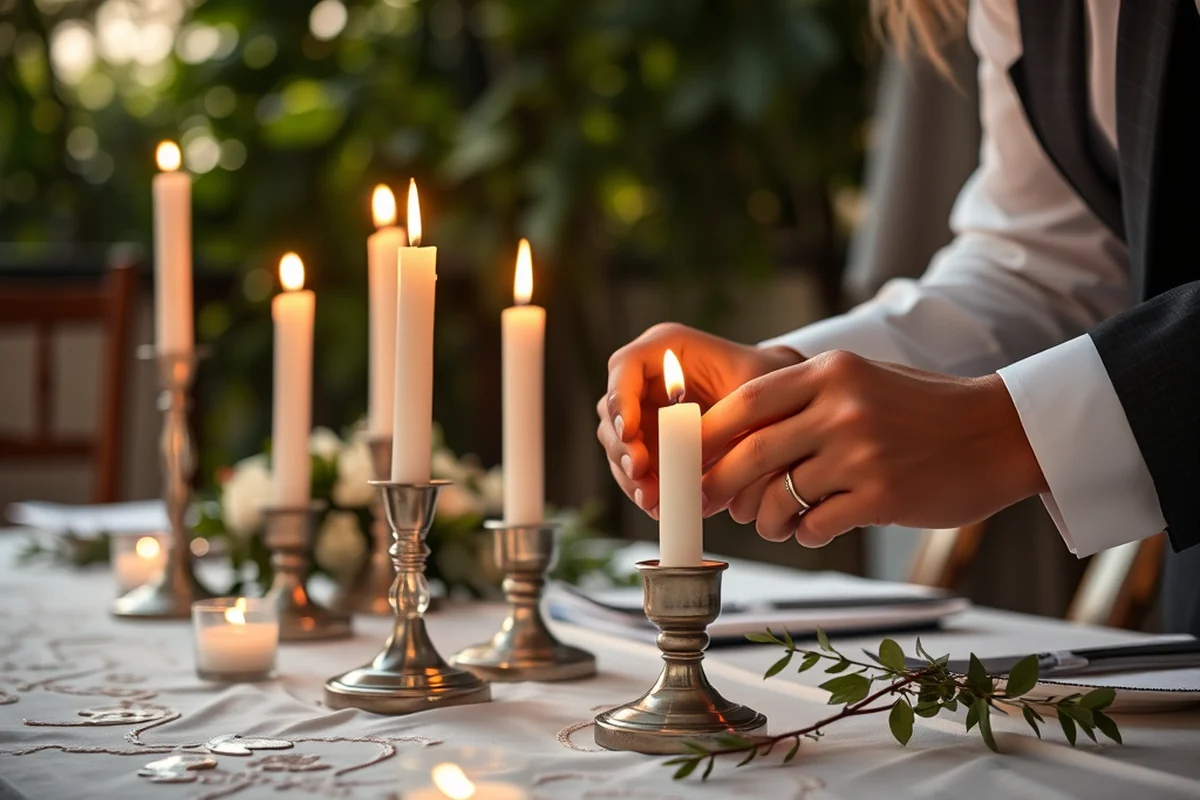
When everyone is dressed in formal attire, it reinforces the significance of the event and creates a sense of unity among guests. This is especially important for the bride and groom, who want their day to reflect their values and the level of respect they have for each other. I attended a wedding where the guests all wore formal attire, and it made the ceremony feel more solemn and respectful, which was exactly what the couple wanted.
Formal attire also communicates to vendors and venue staff that the event is a priority. This can lead to better service and attention to detail. I once spoke with a caterer who said that when guests arrive in formal attire, it makes the event feel more important, and that can influence the quality of service they receive.
Another benefit of formal attire is that it can make the wedding more memorable. When everyone is dressed to the nines, it creates a lasting impression that guests will talk about for years to come. I’ve never forgotten the look of the wedding party in their white tuxedos and floor-length gowns—it was a moment that stood out in every photo taken that day.
A wedding is not just about the couple—it’s about the entire experience, and formal attire sets the tone.
Related: Outdoor wedding hall
Formal Attire for Men: What to Wear
For men, the standard of formal attire is a tuxedo or a well-tailored suit. A tuxedo is the most formal option and is typically required for black-tie events. It should include a jacket with satin lapels, a waistcoat, and a bow tie. The shirt should be a classic white or light blue and should be fully buttoned. Socks should be dark, and shoes should be black and polished.
I once wore a tuxedo to a wedding, and I noticed how much more confident I felt. It wasn’t just about looking good—it was about feeling good. The suit fit perfectly, and it made me feel like I was part of something important. However, I also saw a few men who wore suits that were not properly tailored, and it was clear that they hadn’t taken the time to get the right fit.
It’s worth investing in a well-fitted suit or tuxedo because it can make all the difference. I know someone who spent $500 on a custom suit for a wedding and said it was the best investment he made. The fit was perfect, and it made him feel like a million bucks. If you can’t afford a custom suit, renting one is a great alternative that still looks great and feels appropriate.[1]
A well-fitted suit or tuxedo is essential for formal attire. If the jacket is too tight or the trousers are too loose, it can ruin the look.
“I still remember the first time I stood in front of the mirror, staring at my black tuxedo and wondering if I was overthinking the…”— Outdoor Wedding Planning editors
Related: Outdoor wedding elopement
Formal Attire for Women: What to Wear
For women, formal attire typically includes a floor-length gown or a cocktail dress that is elegant and appropriate for the wedding’s formality. The dress should be made of high-quality fabric, such as silk or satin, and should be well-fitted. Accessories should be minimal but elegant, such as a simple necklace and matching earrings.
I remember attending a wedding where the bride wore a long, flowing gown, and the guests all wore floor-length dresses that matched the tone of the event. It was a beautiful sight, and everyone looked elegant and put-together. However, I also saw a few guests who wore cocktail dresses that were too casual for the event, and it was a bit jarring to see such a mismatch in the overall look.
If you’re not sure about the appropriate length for a formal dress, it’s best to go with a floor-length gown. This ensures that you’re following the formality of the event. If you’re going for a cocktail dress, make sure it’s at least knee-length and made of a high-quality fabric. I once wore a knee-length cocktail dress to a formal wedding, and it was a bit too short for the event, but I still felt confident and stylish.
Related: Outdoor wedding planning
Choosing the Right Color for Formal Attire
With choosing the right color for formal attire, black, navy, and deep blue are the most common options. These colors are timeless and appropriate for any formal event. However, other colors can be appropriate depending on the event. For example, a white tuxedo is a great option for a wedding with a lighter, more relaxed vibe.
I once wore a navy suit to a wedding, and it looked great with a white shirt and a dark tie. The color was versatile and didn’t clash with the venue’s decor. However, I also saw a guest who wore a bright red suit, which was a bit too flashy for the event. It was a bold choice, but it didn’t quite fit the formality of the occasion.
If you’re unsure about the right color for formal attire, it’s best to stick with the classics. Black and navy are safe choices that will always look good. If you want to add a bit of color, a deep blue or burgundy suit can be a great alternative that still maintains the level of formality.
Related: Millie bobby brown wedding
Accessories and Footwear for Formal Attire
Accessories and footwear are just as important as the clothing itself with formal attire. For men, a bow tie or a simple tie, cufflinks, and a pocket square are all essential. For women, a clutch, elegant heels, and minimal jewelry are the way to go. These details can make or break the overall look of the outfit.
I once attended a wedding where a man wore a tie that was too bright for the event. It was clear that he hadn’t considered the color in relation to the rest of his outfit. It was a small detail, but it stood out and felt out of place. On the other hand, I saw a woman who wore a simple clutch and elegant heels, and it completed her look perfectly.
When choosing footwear for formal attire, it’s important to pick something that is comfortable but still appropriate for the event. For men, black or brown shoes are the best options. For women, heels are a great choice, but they should be comfortable enough to wear for the entire event.
Details matter. A well-chosen accessory or pair of shoes can elevate your formal attire to the next level.
Related: What is a blush wedding dress
Formal Attire for Different Types of Weddings
Formal attire for different types of weddings can vary widely depending on the venue and the couple’s preferences. For example, a beach wedding might have a more relaxed dress code, while a ballroom wedding will likely require a more formal look. It’s important to consider the setting when choosing your outfit.
I once attended a beach wedding where the dress code was 'smart casual,' and many guests wore linen suits or lightweight dresses that were appropriate for the setting. However, I also saw a few guests who wore formal tuxedos, which felt out of place in the casual beach environment.
If you’re unsure about the appropriate level of formality for a specific wedding, it’s always a good idea to reach out to the couple or venue for clarification. This ensures that you’re dressed appropriately and that you’re in line with the event’s expectations.
💰 Budget-Friendly Formal Attire
Dress elegantly without breaking the bank by shopping second-hand or renting a suit or gown.
🏠 Small-Space Formal Attire
Choose a tailored suit or a modest floor-length dress that fits the scale of the venue.
🌳 Outdoor Formal Attire
Opt for breathable fabrics and light-colored suits or dresses that are appropriate for an outdoor setting.
🎩 Grown-Up Version of Formal Attire
Go for a classic tuxedo or a sophisticated gown that is elegant and timeless.
💤 Low-Effort Formal Attire
Choose a well-fitted suit or a simple dress that doesn’t require excessive styling or effort.
| The mistake | Why it happens | The fix |
|---|---|---|
| Wearing a suit that is too casual for the event. | A suit that is too casual can make you look out of place and not aligned with the event’s formality. | Choose a well-tailored suit or tuxedo that is appropriate for the level of formality required. |
| Wearing the wrong color for formal attire. | Wearing the wrong color can make you stand out in a negative way and not match the event’s tone. | Stick to classic colors like black, navy, or deep blue for formal events. |
| Over-accessorizing. | Too many accessories can be distracting and take away from the elegance of the formal attire. | Choose minimal, elegant accessories that complement your outfit. |
| Wearing uncomfortable shoes. | Uncomfortable shoes can ruin your entire experience at the wedding and may cause you to limp or appear unsteady. | Choose comfortable shoes that are appropriate for the event and can be worn for the entire duration of the wedding. |
What Does Formal Attire Mean For A Wedding
Common Questions
What is considered formal attire for a wedding?
Can I wear a suit instead of a tuxedo for a formal wedding?
What colors are appropriate for formal attire?
What should I wear if the dress code is 'smart casual'?
References
- The Archives' Brides | Archives of American Art, Smithsonian Institution (aaa.si.edu)
- kimono and the construction of gendered and cultural identities¹ (amherst.edu)
- Fashion at the Library | Folklife Today (blogs.loc.gov)
- Marriage - U.S. Embassy in Brunei Darussalam (bn.usembassy.gov)
- CivicPlus.CMS.FAQ - Bucks County (buckscounty.gov)
Cite this guide
Outdoor Wedding Planning (2026). What Does Formal Attire Mean For A Wedding. https://eventwalks.com/what-does-formal-attire-mean-for-a-wedding/
Feel free to cite or share this guide.
Outdoor Wedding Checklist
Outdoor-specific wedding checklist filtered by location.
Open it free →