
What Is A Muslim Wedding Dress
📖 Table of Contents
- The Cultural Significance of a Muslim Wedding Dress
- Common Styles and Elements of a Muslim Wedding Dress
- Choosing the Right Fabric and Color
- Incorporating Tradition into Your Wedding Attire
- The Role of the Hijab in a Muslim Wedding
- The Importance of Comfort and Practicality
- Finding the Perfect Muslim Wedding Dress
- Make It Your Way
- Frequently Asked Questions
I still remember the first time I walked into a Muslim wedding dress boutique, the air thick with the scent of silks and the hushed hum of tradition. It was a world away from the glossy, glitzy fashion shows I was used to, and it was here that I truly began to understand the significance of a Muslim wedding dress. It’s not just fabric and thread—it’s a tapestry of cultural identity, modesty, and joy, woven with care.
A Muslim wedding dress is more than an article of clothing; it’s a symbol of heritage, a celebration of faith, and a personal statement of style. Whether it’s an embroidered hijab, a long-sleeve abaya, or a modest jumpsuit, each piece tells a story. I remember one bride who wore a hijab adorned with intricate gold embroidery that matched her groom’s traditional kurti—every stitch reflected their shared journey.
For many Muslim brides, choosing the perfect wedding dress is a deeply personal and meaningful process. It’s not about following trends but honoring values, family, and faith. I’ve seen brides opt for understated elegance over showy gowns, and others who choose to wear their hijabs as part of their wedding attire. This is where the real magic happens—where culture meets celebration and individuality shines through.
Why You'll Love This Guide to Muslim Wedding Dresses
- Explore the diverse styles that reflect Muslim cultural and religious values.
- Learn how to choose a dress that honors tradition while embracing personal flair.
- Discover real-life examples and practical tips from experienced brides and planners.
- Understand the significance behind each element of the dress and how to incorporate them into your ceremony.
The Cultural Significance of a Muslim Wedding Dress
As of October 2026, in many Muslim cultures, a wedding is not just a celebration of love but a merging of two families, traditions, and values. The dress, therefore, becomes a powerful symbol of that unity. I once attended a wedding in Dubai where the bride wore a traditional hijab made of 100% silk, embroidered with her family crest. It was a stunning reminder of her roots.[1]
Modesty is a central tenet of Islam, and the wedding dress is a way for the bride to express that modesty while still feeling beautiful. I remember one bride who chose a long-sleeve, high-neck abaya for her wedding, which she paired with intricate jewelry and a hijab in a complementary color. It was elegant and respectful, and it made her feel like the most confident version of herself.
Each element of the dress can carry meaning—whether it’s the fabric, the color, or the embroidery. It’s not just about looking good; it’s about feeling aligned with one’s faith and values. That’s why many brides choose to incorporate traditional symbols into their wedding attire.
Consider adding traditional motifs, such as calligraphy or family crests, to your wedding dress or hijab. These details can make your outfit more personal and meaningful.
Part of our Wedding aisle guide.
Common Styles and Elements of a Muslim Wedding Dress
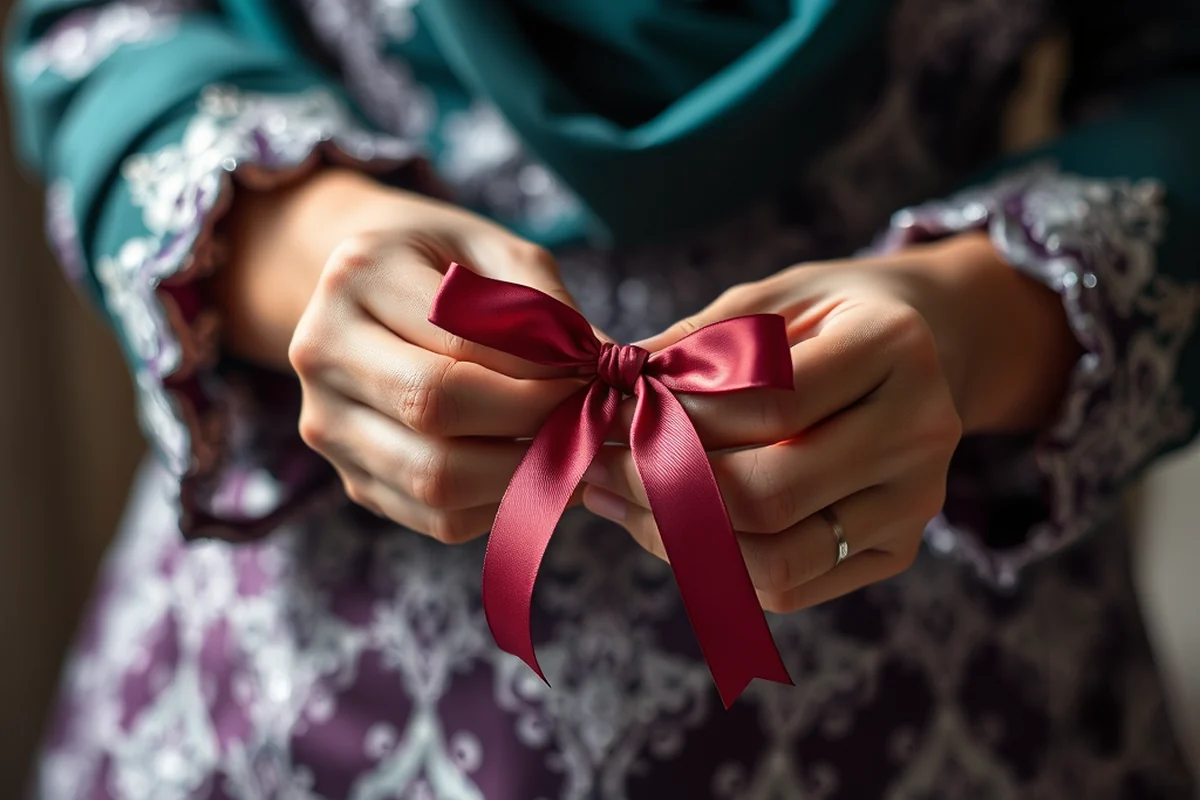
There is no one-size-fits-all approach to a Muslim wedding dress. Some brides choose to wear a hijab, others opt for an abaya, and some prefer a more Western-style dress with modest modifications. The key is to find a style that makes you feel comfortable and confident.
Abayas are a popular choice for many Muslim brides, especially in the Middle East. These long, flowing garments are often made of luxurious fabrics and can be tailored to fit the bride’s body perfectly. Some brides even choose to wear a two-piece abaya, with a cropped top and a longer skirt.
For those who prefer a more Western look, there are plenty of options. Modest jumpsuits, long-sleeve gowns, and high-neck dresses are all popular choices. The key is to ensure that the dress is in line with Islamic modesty guidelines and that it makes the bride feel beautiful.
Modesty is not a limitation—it’s a form of elegance.
Related: Outdoor wedding games ideas for guests
Choosing the Right Fabric and Color
Fabric is a crucial consideration when choosing a Muslim wedding dress. Luxurious materials like silk, satin, and chiffon are popular choices, as they drape beautifully and add a touch of elegance. I once saw a bride wear a silk abaya with a matching hijab, and the way the fabric flowed was absolutely breathtaking.
Color is another important factor. While white is a common choice, many Muslim brides opt for ivory, cream, or even bold colors like red or gold. These colors can symbolize different things, such as love, prosperity, or celebration. I remember one bride who chose a deep red abaya for her wedding, and it looked absolutely stunning against her pale skin.
It’s also important to consider the season and venue when choosing a color. For example, a light-colored abaya might be more comfortable in hot climates, while a darker shade could be more appropriate for an evening reception.
Opt for lightweight fabrics like chiffon or cotton for summer weddings, and heavier materials like satin or velvet for winter events. This will help you stay comfortable and stylish throughout the day.
“I still remember the first time I walked into a Muslim wedding dress boutique, the air thick with the scent of silks and the hushed…”— Outdoor Wedding Planning editors
Related: What is wedding dress by megan moroney about
Incorporating Tradition into Your Wedding Attire
Incorporating traditional elements into your wedding attire is a beautiful way to honor your heritage. Whether it’s through calligraphy on your hijab, family crests on your abaya, or heirloom jewelry, these details can make your outfit more personal and meaningful.
I once worked with a bride who wanted to include her family’s coat of arms on her wedding dress. We found a skilled designer who was able to weave the crest into the embroidery of the abaya, and the result was absolutely stunning. It was a way for her to celebrate her heritage and pass it on to future generations.
Heirloom jewelry is another popular choice for Muslim brides. Many families have passed down precious pieces through generations, and it’s a beautiful way to connect with your roots. Whether it’s a necklace, earrings, or a bracelet, these items can add a touch of elegance to your wedding look.
Related: Wedding aisle decor ideas
The Role of the Hijab in a Muslim Wedding
For many Muslim brides, the hijab is not just an accessory—it’s a symbol of their faith and identity. It’s a way to express their devotion to Islam while still looking beautiful on their special day. I remember one bride who chose to wear a hijab that was passed down through her family, and it was a deeply emotional moment for her.
The hijab can be made of a variety of fabrics, from lightweight cotton to luxurious silk. Some brides choose to wear a hijab that matches their wedding dress or abaya, while others prefer a contrasting color. The key is to choose a hijab that makes you feel confident and comfortable.
In some cultures, the hijab is only worn during the ceremony, while in others, it’s worn throughout the entire wedding day. It’s important to consider your family’s traditions and your personal preferences when deciding whether or not to wear the hijab on your big day.
Related: Azazie wedding dresses
The Importance of Comfort and Practicality
Comfort is just as important as style when choosing a Muslim wedding dress. After all, you’ll be wearing your outfit for hours, and you want to feel confident and comfortable throughout the day. I once worked with a bride who chose a lightweight, breathable abaya for her summer wedding, and she was able to move freely and enjoy every moment of her day.
Practicality is also a key consideration. For example, choosing a dress with a high neckline can help prevent the hijab from slipping, while a long-sleeve abaya can provide extra coverage and comfort in hot climates. It’s important to choose a dress that is both stylish and functional.
Many Muslim brides also choose to wear a two-piece abaya, which allows them to change into a different outfit for the evening reception. This can be a great way to add variety to your wedding look while still honoring your cultural traditions.
Style and comfort go hand in hand—never compromise one for the other.
Related: Crate and barrel wedding registry
Finding the Perfect Muslim Wedding Dress
Finding the perfect Muslim wedding dress can be a bit of a challenge, but with the right approach, it’s definitely achievable. Start by researching different styles and designers that specialize in Muslim wedding attire. I recommend visiting boutiques that cater to Muslim brides, as they often have a wider selection of styles and sizes.[2]
It’s also a good idea to try on different outfits to see what feels most comfortable and flattering. I once helped a bride try on several abayas before she found the one that made her feel like a princess. It was a bit of a process, but the end result was absolutely worth it.
Don’t be afraid to ask for help from friends, family, or wedding planners. They can offer valuable insights and help you make an informed decision. The goal is to find a dress that makes you feel confident, beautiful, and true to yourself.
💰 Budget-Friendly Muslim Wedding Dress
Opt for affordable fabrics like cotton or polyester, and choose simple designs with minimal embroidery or embellishment.
🏠 Small-Space Muslim Wedding Dress
Choose lightweight, flowing fabrics that won’t overwhelm the space, and go for a more understated look.
🌳 Outdoor Muslim Wedding Dress
Select breathable fabrics like chiffon or cotton, and choose a color that complements the natural surroundings.
👩🦰 Grown-Up Muslim Wedding Dress
Opt for elegant, sophisticated designs with luxurious fabrics and minimal ornamentation for a more mature look.
✨ Low-Effort Muslim Wedding Dress
Choose a simple, easy-to-wear outfit that requires minimal styling and preparation.
| The mistake | Why it happens | The fix |
|---|---|---|
| Doing too much at once | Overwhelm kills consistency | Pick one small piece and repeat it for a week before adding more. |
| Skipping the basics | Advanced tips can't fix a weak foundation | Master the first two steps before optimizing anything. |
What Is A Muslim Wedding Dress
Common Questions
Can I wear a Western-style wedding dress if I’m Muslim?
What are some popular Muslim wedding dress styles?
How do I choose the right fabric for my Muslim wedding dress?
Can I incorporate traditional elements into my Muslim wedding dress?
References
- International Religious Freedom Reports: Custom Report Excerpts (2021-2025.state.gov)
- (PDF) The Meaning and Symbolism of Traditional Bridal Costumes ... (academia.edu)
Cite this guide
Outdoor Wedding Planning (2026). What Is A Muslim Wedding Dress. https://eventwalks.com/what-is-a-muslim-wedding-dress/
Feel free to cite or share this guide.