
What Is Wedding Ceremony Script
📖 Table of Contents
- What is a Wedding Ceremony Script?
- Why a Script is Essential for a Smooth Ceremony
- The Structure of a Wedding Ceremony Script
- How to Customize a Wedding Ceremony Script
- Including a Script in Your Wedding Planning Timeline
- The Role of the Officiant in a Wedding Ceremony Script
- Common Misconceptions About Wedding Ceremony Scripts
- Make It Your Way
- Frequently Asked Questions
The first time I stood in front of a crowd as the officiant for a wedding, I was nervous — not just about the words I had to say. About the rhythm of the ceremony itself. The script was more than a list of sentences; it was a roadmap that guided us through laughter, tears, and vows. A well-crafted wedding ceremony script is the difference between a disjointed event and a moment that lingers in the memory of every guest.
Over the years, I've worked with couples who wanted everything from a minimalist, no-frills ceremony to grand, multi-hour celebrations. In every case, the script was the backbone of the experience. Whether it was a small intimate gathering or a large-scale affair, the right script ensured that each element — from the exchange of rings to the first dance — flowed seamlessly and held emotional weight.
When I first started in the events industry, I didn't realize how much a wedding ceremony script could impact the overall atmosphere. I've seen it transform a ceremony from a hurried event into a deeply personal, moving experience. That's why I want to take you through the what, why. How of a wedding ceremony script — because it's not just about words, it's about creating a lasting memory that resonates long after the last toast is raised.
Why You'll Love This Wedding Ceremony Script Guide
- Learn how to create a script that feels personal and meaningful to the couple
- Discover the structure and elements that make a ceremony flow smoothly
- Avoid common mistakes that can make your ceremony feel rushed or disjointed
- Get tips on tailoring the script to match the couple's unique story and style
What is a Wedding Ceremony Script?
As of September 2026, at its core, a wedding ceremony script is a roadmap. It tells the officiant, the couple, and the guests what to expect, when, and how. It sets the tone and structure of the event, ensuring that every moment feels intentional and meaningful.
A good script includes everything from the arrival of the officiant to the exchange of vows, the signing of the marriage license, and the final toast. It also provides cues for when guests should stand, sit, or cheer, ensuring that the ceremony moves smoothly.
I've found that the most successful ceremonies are those with a clear, well-structured script. It helps avoid awkward pauses and ensures that the couple's story is told with clarity and emotion.
Avoid overly complex scripts that may confuse the officiant or guests. Focus on personalizing the ceremony to reflect the couple's unique relationship.
Part of our Wedding ceremony guide.
Why a Script is Essential for a Smooth Ceremony
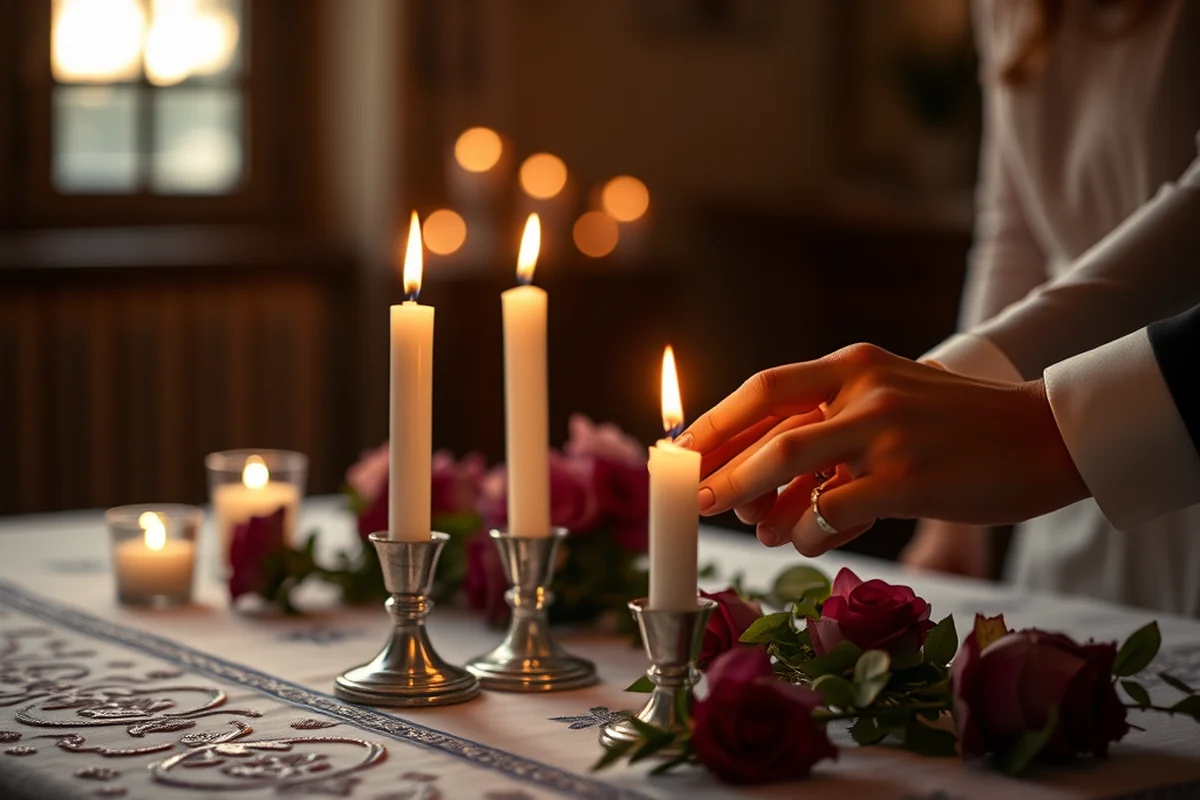
One of the biggest mistakes I've seen is when couples think that a script isn't necessary — they assume that the officiant will know what to do. In reality, a script is a crucial tool that helps everyone involved — from the officiant to the wedding planner — stay on track.
I once worked on a ceremony where the officiant didn't have a script, and the result was chaotic. The vows were delivered out of order, the ring exchange was forgotten, and guests were confused. A script would have avoided all of that.
A well-written script also helps the officiant deliver the ceremony with confidence and emotional impact, ensuring that the couple's story is told with the care it deserves.
A script is the difference between a good ceremony and a great one.
Related: A wedding registry
The Structure of a Wedding Ceremony Script
The structure of a wedding ceremony script is similar to a well-rehearsed performance. It starts with the arrival of the officiant, followed by the procession of the couple, the exchange of vows, the ring ceremony, the signing of the marriage license, and the final toast.
I recommend that every script include these key moments, even if they are being adapted for a non-traditional ceremony. These elements provide a framework that makes the ceremony feel complete and cohesive.[1]
One of the most important parts of the script is the vows. Whether they are written or spoken, they should be a highlight of the ceremony and reflect the couple's unique relationship.
Many wedding planners use a standard ceremony script as a starting point and then customize it based on the couple's preferences and the style of the event.
“The first time I stood in front of a crowd as the officiant for a wedding, I was nervous — not just about the words…”— Outdoor Wedding Planning editors
Related: Taylor swift wedding 2026
How to Customize a Wedding Ceremony Script
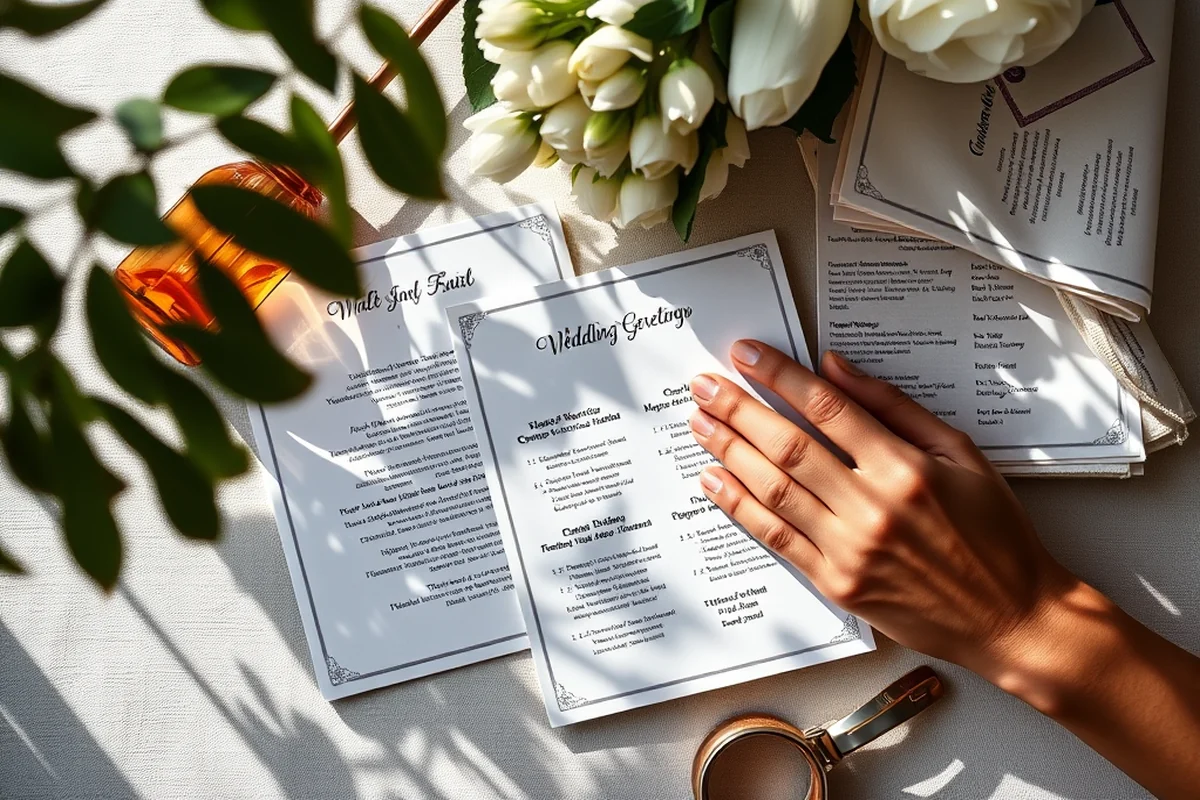
Customization is one of the most powerful aspects of a wedding ceremony script. It allows the couple to add personal touches that make the ceremony uniquely their own. This could include a reading from a loved one, a special ritual, or even a song that holds sentimental value.
I once worked with a couple who wanted to include a moment where their families exchanged letters. We adjusted the script to include this moment, and it became a highlight of the ceremony. It added emotional depth and made the event feel more personal.
Customizing the script also allows for flexibility. If the couple wants to skip certain traditional elements, the script can be adjusted to reflect their wishes without compromising the overall flow of the ceremony.
Related: What is the wedding dress about
Including a Script in Your Wedding Planning Timeline
One of the most important aspects of wedding planning is timeline management. A well-structured timeline includes everything from the arrival of guests to the final toast, and the ceremony script should be a key part of that.
I recommend that couples and their wedding planners begin working on the script at least two weeks before the wedding. This allows time for revisions, rehearsals, and any last-minute changes.[2]
Including the script in the timeline also helps the officiant prepare for the ceremony. It ensures that they are familiar with the structure and can deliver the event with confidence and clarity.
Related: Theknot wedding registry search
The Role of the Officiant in a Wedding Ceremony Script
The officiant is responsible for delivering the script with authenticity and emotional impact. They should be familiar with the structure of the ceremony and able to adapt it as needed.
I've worked with several officiants who have taken the script and made it their own, adding personal anecdotes or adapting the tone to match the couple's preferences. This can make the ceremony feel even more meaningful.
The officiant should also be prepared to handle any unexpected moments, such as a guest making a toast or a last-minute change in the ceremony. A good script provides the structure, but the officiant's flexibility is key.
A skilled officiant can turn a script into a heartfelt, unforgettable experience.
Related: My big fat greek wedding
Common Misconceptions About Wedding Ceremony Scripts
One of the biggest misconceptions is that a script makes the ceremony feel rigid or scripted. In reality, a good script is a tool that allows for creativity and personalization.
I've seen couples use scripts in a way that feels completely natural. They add personal readings, music, and moments that make the ceremony feel like it's tailored just for them.
Another misconception is that a script is only for traditional ceremonies. In fact, a script can be adapted to fit any style, from a minimalist ceremony to a grand celebration with multiple elements.
💰 Budget-Friendly Ceremony
A simple, no-frills ceremony that focuses on the vows and the exchange of rings, with minimal cost and maximum sentimentality.
🏠 Small-Space Ceremony
A ceremony designed for a small venue or backyard, with a streamlined script that ensures every moment is meaningful without overwhelming the space.
🌳 Outdoor Ceremony
A script tailored for an outdoor venue, with moments that take advantage of the natural setting, such as a sunset reading or a symbolic walk.
🎩 Grown-Up Version
A more mature, refined ceremony with a script that focuses on the couple's shared history and a more subdued, elegant tone.
🧘 Low-Effort Ceremony
A script that is easy to follow, with minimal preparation required, making it ideal for couples who want a seamless, stress-free ceremony.
| The mistake | Why it happens | The fix |
|---|---|---|
| Not having a script at all | This can lead to confusion, disorganization, and missed moments that are important to the couple and their guests. | Work with the officiant or wedding planner to create a script that reflects the couple's vision and needs. |
| Writing the script too late in the planning process | This can leave little time for revisions, rehearsals, and preparation, leading to an unpolished or rushed ceremony. | Start working on the script at least two weeks before the wedding to allow for adjustments and rehearsals. |
| Overloading the script with too many elements | This can make the ceremony feel chaotic and overwhelming for the guests, and may detract from the emotional impact of the vows and other key moments. | Keep the script focused on the most important elements and avoid trying to include too many different activities or readings. |
| Assuming the officiant knows what to do without a script | Even the most experienced officiant will benefit from a script that outlines the sequence of events and key moments. | Provide the officiant with a clear, well-structured script that includes all the important elements and any specific instructions from the couple. |
What Is Wedding Ceremony Script
Common Questions
Do we need a script for a small ceremony?
Can we customize the script to fit our story?
How long should the script be?
Can the officiant help us create the script?
References
- assignent 6 afl traditional wedding ceremony - Academia.edu (academia.edu)
- Officiant Wedding Script (jra.jacksonms.gov)
Cite this guide
Outdoor Wedding Planning (2026). What Is Wedding Ceremony Script. https://eventwalks.com/what-is-wedding-ceremony-script/
Feel free to cite or share this guide.